Iran Launches Missile Strikes on US Military Bases in Middle East
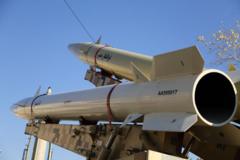
Iran launched multiple ballistic missiles targeting US military bases in the Middle East on Tuesday. This action has heightened concerns about a potential escalation of conflict in the region. The strikes represent a significant development in the ongoing tensions between Iran and the United States. The specific locations and extent of damage from the missile attacks were not immediately detailed. However, the event has raised alarms among international observers and regional powers regarding the stability of the Middle East. The situation is being closely monitored for any retaliatory actions or further developments. The implications of these strikes could have far-reaching consequences for regional security and international relations. The timing of the attacks also adds to the gravity of the situation.
The Iranian missile strikes on US military installations in the Middle East represent a direct challenge to US military presence and influence in the region. This action, while potentially aimed at demonstrating resolve, carries significant risks of unintended escalation. From a strategic perspective, such overt military actions can trigger a cycle of retaliation, destabilizing regional security dynamics further. The underlying incentive structures driving this confrontation likely involve a complex interplay of national security concerns, geopolitical positioning, and domestic political considerations within Iran. Looking ahead, the next decade's trajectory will be shaped by how actors navigate these escalatory pressures, with potential for increased proxy conflicts or a more direct confrontation. The event highlights the persistent challenge of managing interstate conflict in a multipolar world, where asymmetric capabilities and strategic signaling are key elements of statecraft.
AI-generated to prompt reflection — not editorial opinion, not advice, not a statement of fact. How this works.