Iran Leverages Regional Infrastructure to Pressure US for Concessions
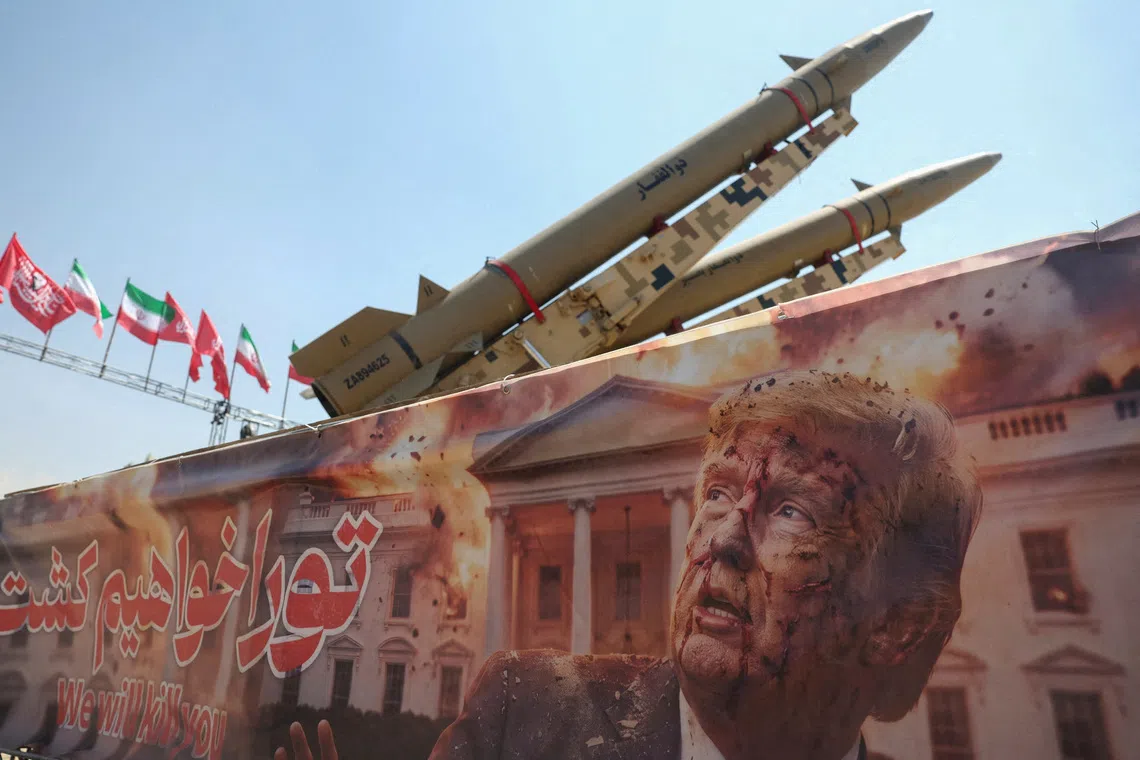
Iran is reportedly employing a strategy of escalating pressure on the United States by targeting key trade routes, shipping lanes, and energy infrastructure across the Middle East. The objective, according to Gulf officials and analysts, is to gradually increase the cost of potential confrontation for Washington, betting that Iran can endure a prolonged period of tension. This approach aims to compel the US into making concessions by leveraging critical economic and logistical choke points within the region. The strategy suggests a long-term view by Iran, seeking to outlast potential US resolve through sustained economic and strategic leverage.
Iran's strategy appears to be a calculated effort to weaponize regional economic interdependencies. By targeting trade routes and energy infrastructure, Iran aims to impose indirect costs on global economic stability, thereby increasing the incentive for diplomatic resolution. This approach leverages geopolitical realities where disruptions in one area can have cascading effects, forcing a reassessment of strategic priorities for major global powers. The long-term efficacy of such a strategy will depend on the resilience of global supply chains and the willingness of international actors to absorb or mitigate these escalating pressures, potentially leading to a recalibration of regional security architectures.
AI-generated to prompt reflection — not editorial opinion, not advice, not a statement of fact. How this works.
