Iran Missile Strike in Kuwait Destroys Chinese Firm's Building, Kills Worker
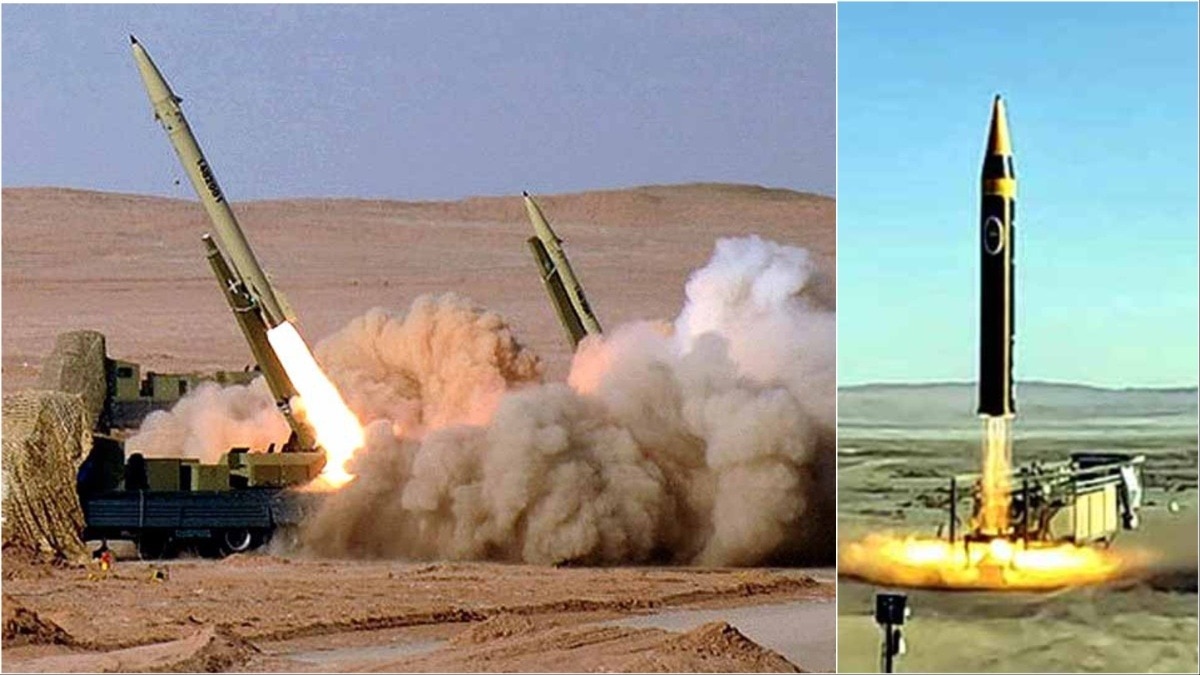
Iran has launched a missile attack in Kuwait, which has inadvertently struck a building belonging to a Chinese firm, its partner. According to reports, the Iranian missile strike resulted in the destruction of the building and the death of one worker. The incident highlights a significant misstep in the execution of Iran's military actions, impacting an ally's commercial interests. The attack occurred in Kuwait, a location that has now become the site of unintended collateral damage involving international business. This event raises questions about the precision and targeting capabilities of Iran's missile systems and the potential for significant diplomatic fallout. The loss of life and destruction of property underscore the severe consequences of such military operations, even when directed at perceived adversaries. The involvement of a Chinese firm suggests a complex geopolitical landscape where actions against one party can have unforeseen repercussions on others. Further details regarding the specific target of the Iranian strike and the rationale behind it are yet to be fully disclosed, but the immediate impact on the Chinese firm is clear.
This event underscores the critical importance of precise targeting and robust intelligence in military operations, particularly in densely populated or commercially active areas. The unintended destruction of a Chinese firm's property and the resulting fatality, despite Iran's potential strategic objectives, illustrate the inherent risks of kinetic actions. Such incidents can strain diplomatic relations and create complex challenges for international trade and investment, as business entities operating across borders are vulnerable to geopolitical instability. The situation prompts consideration of risk mitigation strategies for multinational corporations and the need for enhanced deconfliction mechanisms between states engaged in military activities. Looking ahead, the increasing integration of global supply chains means that localized conflicts can have amplified ripple effects, necessitating greater foresight and caution in strategic decision-making to avoid unintended economic and political consequences.
AI-generated to prompt reflection — not editorial opinion, not advice, not a statement of fact. How this works.