Iran Mourns Supreme Leader Ali Khamenei Amid Calls for Revenge Against Trump
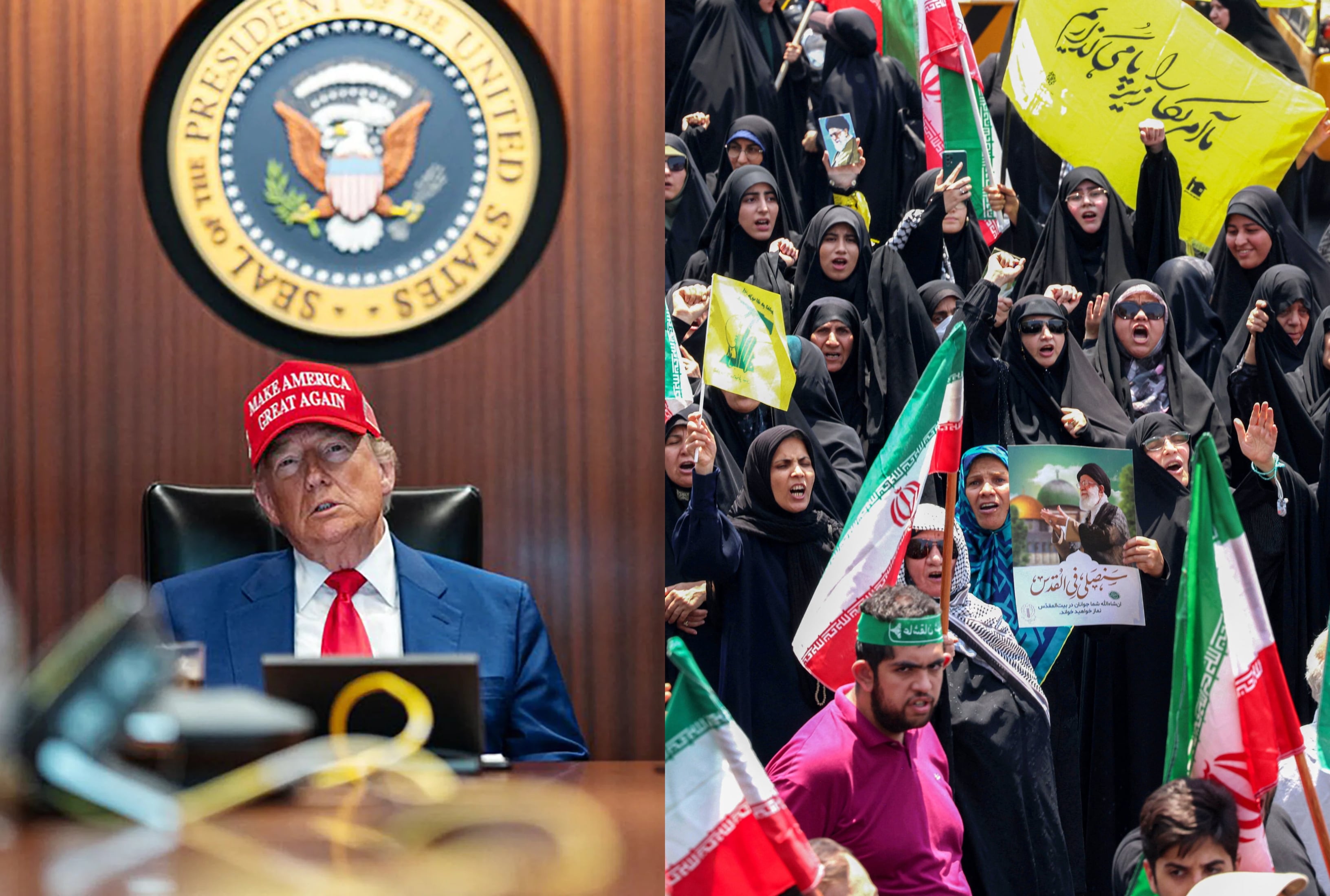
Iran held a massive funeral for its deceased Supreme Leader, Ali Khamenei, who reportedly died on the first day of a war with the United States and Israel. The event, described as a large and vengeful political gathering, saw widespread calls for retribution. Notably, Khamenei's son and presumed successor, Mojtaba Khamenei, was absent from the prayers for his father, despite the presence of his three brothers. The circumstances surrounding Khamenei's death and the political undertones of the funeral suggest a highly charged atmosphere within Iran.
The funeral proceedings for Ali Khamenei, framed by official narratives emphasizing revenge, highlight the potent intersection of religious leadership and geopolitical conflict. The reported calls for assassination against former US President Trump, while inflammatory, reflect a strategic mobilization of popular sentiment to consolidate domestic support and project an image of defiance on the international stage. The absence of Mojtaba Khamenei from the funeral prayers, despite his familial ties and potential succession, introduces a layer of intrigue regarding internal power dynamics and succession planning within Iran's clerical establishment. Future governance may be shaped by the ability to manage both external pressures and internal cohesion, particularly in the wake of a significant leadership transition during a period of heightened international tension.
AI-generated to prompt reflection — not editorial opinion, not advice, not a statement of fact. How this works.