Iran Mourns Supreme Leader Ayatollah Ali Khamenei After Reported Killing
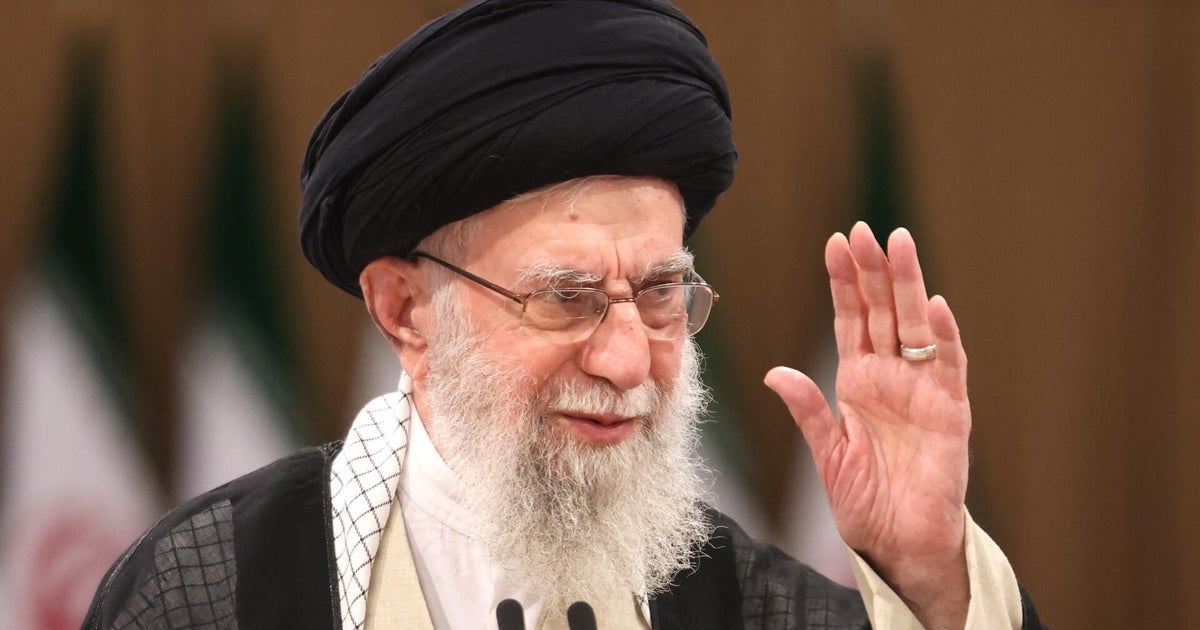
Iranians are observing a two-day mourning period following the reported death of Supreme Leader Ayatollah Ali Khamenei. Khamenei was allegedly killed by strikes during what the report describes as a U.S.-Israeli war against Iran. Retired Navy Vice Adm. Robert Murrett has provided commentary on the situation. The circumstances surrounding Khamenei's death and the alleged conflict are central to the unfolding events. This period of mourning signifies a significant moment for the nation. Further details regarding the strikes and the broader conflict are expected.
The reported death of a nation's supreme leader, particularly amidst allegations of foreign military action, represents a critical geopolitical juncture. Such events can trigger significant regional instability and internal power struggles. The framing of the conflict as a "U.S.-Israeli war against Iran" suggests a specific narrative being presented, which warrants objective examination of verifiable facts and diplomatic channels. The ensuing mourning period, while a customary expression of national grief, also serves as a period where leadership transitions and future policy directions are often solidified or contested. Understanding the motivations and strategic objectives of all involved state and non-state actors will be crucial in assessing the long-term implications for regional security and international relations in the coming decade.
AI-generated to prompt reflection — not editorial opinion, not advice, not a statement of fact. How this works.