Iran Mourns Supreme Leader Khamenei Following Death in Strikes
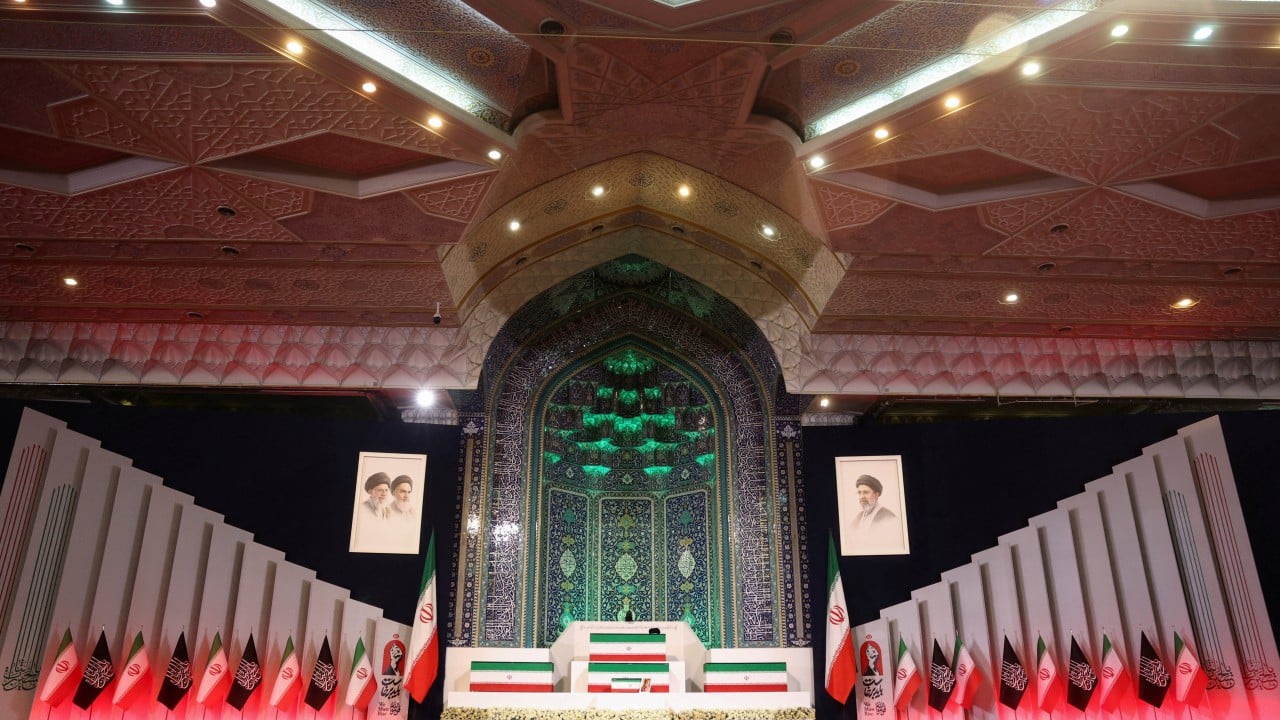
The body of Iran's Supreme Leader, Ali Khamenei, arrived at Tehran's Grand Mosalla on Friday, June 7, 2024, following his death in strikes attributed to the US and Israel. These strikes are reported to have triggered the ongoing conflict in the Middle East. State media indicated that millions of Iranians and numerous foreign dignitaries are anticipated to attend the official funeral ceremony scheduled for Saturday, June 8. Tehran's chief negotiator has urged a significant public turnout to honor Khamenei and seek retribution for his death. Images circulating showed mourners carrying Khamenei's coffin, adorned with the Iranian national flag, into the religious complex. The nation has commenced a multi-day period of mourning and funeral rites for its deceased leader.
The death of a nation's supreme leader, particularly one involved in regional geopolitical tensions, presents significant implications for power dynamics and stability. The narrative framing the death as a result of external aggression, specifically from the US and Israel, serves to consolidate domestic support and potentially justify retaliatory actions. This event may lead to a period of heightened internal political maneuvering as successors are identified and power structures are reconfigured. Externally, the situation could either de-escalate as a new leadership assesses its strategic posture or intensify existing conflicts, depending on the political will and capacity of the new regime and the reactions of regional and global powers. The focus on a large public turnout and calls for vengeance suggest an effort to mobilize national sentiment and project an image of unified resolve.
AI-generated to prompt reflection — not editorial opinion, not advice, not a statement of fact. How this works.