Iran Mourns Supreme Leader Khamenei; Global Leaders Attend Funeral Rites
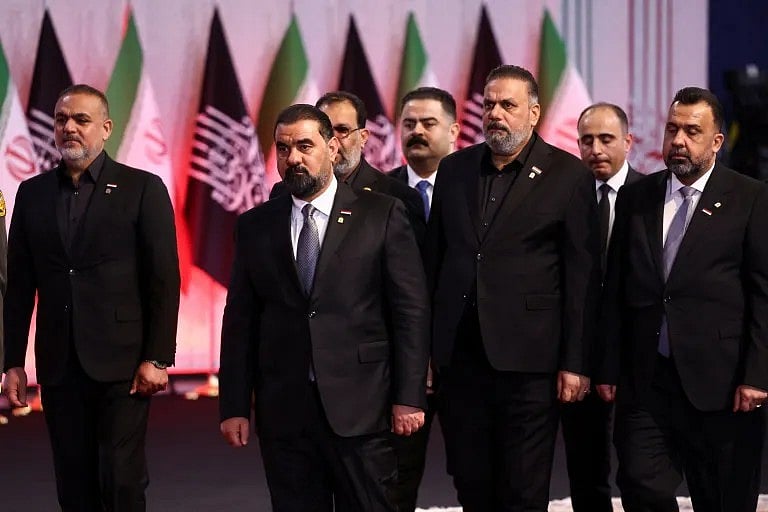
Iran has begun mourning and funeral ceremonies for its late Supreme Leader, Ayatollah Ali Khamenei, who was reportedly killed in a joint US-Israeli attack on February 28. Over a hundred countries are expected to send representatives to the events, which commenced on Friday, July 3, 2026. A delegation from Bangladesh, led by Speaker Hafiz Uddin Ahmed, is already in Iran for the proceedings. The initial plan was to bury Khamenei in March, but the schedule was postponed due to the ongoing conflict. The ceremonies will span seven days across Iran and Iraq, with official mourning starting in Tehran.
Foreign dignitaries are largely attending the main event on Friday. Public mourning events are scheduled for Saturday and Sunday in Tehran, where Khamenei's coffin will be placed at the Grand Mosalla for final respects. The procession will move south to the holy city of Qom on Monday and Tuesday, July 5-6. Khamenei's body will then travel to Iraq, arriving at Najaf International Airport on Wednesday, July 8, for public mourning processions in Najaf and Karbala. The final burial will take place on Friday, July 10, at the Imam Reza shrine in Mashhad, Khamenei's birthplace.
Notable attendees include Pakistan's Prime Minister Shehbaz Sharif, Tajikistan's President Emomali Rahmon, Armenia's Prime Minister Nikol Pashinyan, and Georgia's President Mikheil Kavelashvili. High-level representatives will also attend from Turkey (Vice President Cevdet Yılmaz), India (Deputy Foreign Minister and a state governor), China (Vice Chairman of the Standing Committee of the National People's Congress He Wei), and Russia (Deputy Secretary of the Security Council Dmitry Medvedev). Afghanistan's interim government will be represented by Foreign Minister Amir Khan Muttaqi and Deputy Prime Minister for Economic Affairs Abdul Ghani Baradar. The event is anticipated to be one of the largest state funerals in modern history, potentially surpassing the 1989 funeral of Ayatollah Ruhollah Khomeini.
The extensive international participation in Ayatollah Ali Khamenei's funeral ceremonies, as detailed in the report, signifies a complex geopolitical landscape. The presence of leaders and representatives from nations like Pakistan, Tajikistan, Armenia, Georgia, Turkey, India, China, and Russia, alongside delegations from Bangladesh and Afghanistan, highlights ongoing diplomatic engagements and strategic alignments in the region. The report also notes the absence of Khamenei's son, Mojtaba, from the ceremonies due to security threats, underscoring the volatile security environment and potential succession dynamics within Iran. The scale of the event, intended to surpass previous national mourning rituals, suggests a deliberate effort to project national unity and international standing amidst reported external aggressions and ongoing peace negotiations. Future analyses should monitor the impact of these events on regional stability and Iran's international relations, particularly concerning the ongoing peace talks and the evolving security architecture.
AI-generated to prompt reflection — not editorial opinion, not advice, not a statement of fact. How this works.