Iran Nears Deal for Chinese Shoulder-Fired Missiles Amid Conflict
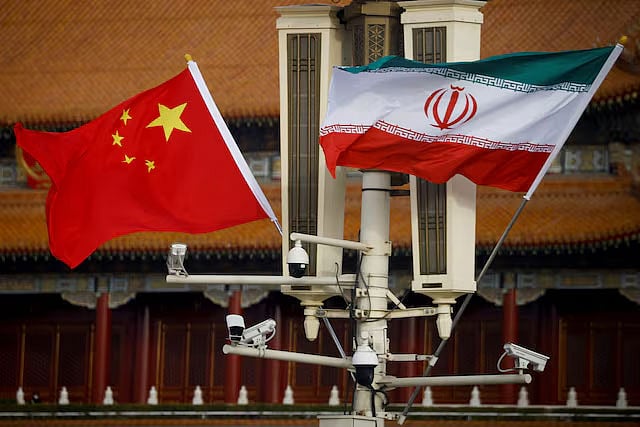
Iran is reportedly close to acquiring Chinese-made, shoulder-fired air defense missiles, known as MANPADS, as part of its efforts to rebuild its military defenses. Three sources familiar with the transaction informed Reuters that the first shipment of up to 400 QW-12 and FN-16 missiles could arrive within weeks. The deal is valued between $60 million and $70 million, brokered by Hong Kong-based Zhongjing Baoshang International Investment. This acquisition aims to bolster Iran's short-range air defense capabilities, which have shown vulnerabilities during recent attacks on its military and strategic infrastructure by the United States and Israel. The conflict has highlighted the difficulty of protecting static assets from advanced aerial threats. While China has denied the report, calling it 'completely baseless,' the potential deal signifies a deepening military relationship between Beijing and Tehran. The missiles, designed to counter low-flying aircraft and drones, are highly portable and can be rapidly deployed to protect critical infrastructure. The planned delivery route involves air transport from western China to Pakistan, followed by onward transit to Iran, though the exact method of transport from Pakistan remains unclear. Pakistan's military has denied any involvement in facilitating this transfer. Despite international sanctions, Iran continues to pursue foreign arms purchases while also investing in its domestic arms industry, demonstrating a dual strategy for defense procurement.
This potential arms deal between Iran and China, if realized, underscores the complex geopolitical dynamics at play in ongoing regional conflicts. It highlights Iran's strategic imperative to enhance its defensive capabilities against sophisticated aerial threats, a need underscored by recent military engagements. For China, such a transaction, if confirmed, would represent a significant move in its expanding role in global arms markets and its strategic alignment with Iran, potentially challenging existing international security frameworks. The reported involvement of intermediary firms and transit through third countries suggests a deliberate effort to navigate international sanctions and scrutiny. This situation prompts consideration of the long-term implications for regional stability, the effectiveness of international arms control regimes, and the evolving nature of state-to-state military cooperation in an era of asymmetric warfare and technological diffusion.
AI-generated to prompt reflection — not editorial opinion, not advice, not a statement of fact. How this works.