Iran Official: Knowledge of Leader's Meetings is a Security Flaw
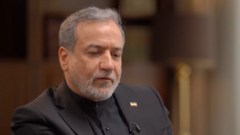
Abbas Araghchi, identified as Iran's Foreign Minister, stated that the "bombing of the Leader's office" and the potential deaths of Iran's leader and several military and political commanders likely occurred "through a security loophole." This loophole, he suggested, had awareness of all meetings held on the first day of the 40-day war. Speaking on the program "The Story of the War," broadcast on Iranian television, Araghchi revealed that a decision had been made prior to the war's commencement to "close the Strait of Hormuz if the Leader was targeted." This statement implies a significant vulnerability in the security apparatus surrounding high-level Iranian leadership and strategic decision-making processes.
This statement highlights a critical tension between operational security and the need for broad consultation in national security decision-making. The alleged security flaw suggests that information regarding the location and activities of top leadership, potentially including the Supreme Leader, was not adequately protected. This raises questions about the robustness of Iran's intelligence and counter-intelligence capabilities. In an era increasingly defined by sophisticated cyber and human intelligence gathering, such vulnerabilities could have profound implications for state stability and strategic autonomy. The disclosure, even if framed as a hypothetical or historical event, points to systemic risks that could be exploited by adversaries, underscoring the perpetual challenge of balancing secrecy with effective governance and leadership protection.
AI-generated to prompt reflection — not editorial opinion, not advice, not a statement of fact. How this works.