Iran Opens Supreme Leader Khamenei's Tomb for Public Visits
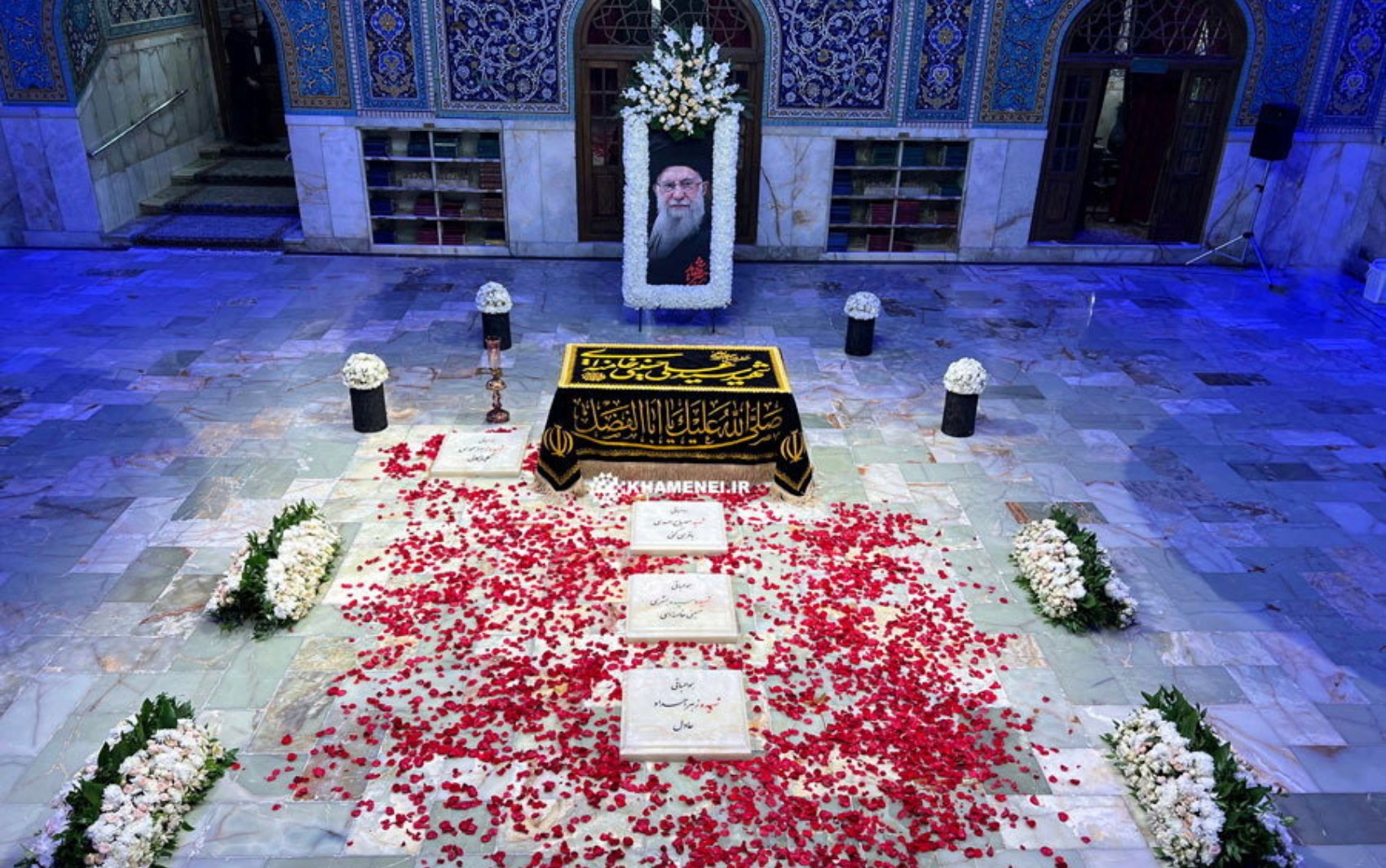
Thousands of Iranians flocked to the Shrine of Imam Reza in Mashhad on Friday, May 10th, to pay respects at the tomb of Ayatollah Ali Khamenei. State media released images depicting long queues of emotional devotees at the burial site. The public visitation commenced one day after Khamenei's interment within the religious complex, recognized as the most significant Shia Islam site in Iran. The funeral ceremony itself was attended by government officials, religious figures, and regime supporters. This burial concluded a week of public mourning processions and events held across various Iranian cities and also in Iraq. Khamenei passed away on February 28th at the age of 86. His body was preserved for approximately four months before the funeral and burial could take place. Following Khamenei's death, his son, Mojtaba Khamenei, has assumed the position of Iran's Supreme Leader. This succession unfolds amidst ongoing conflict with the United States, escalating regional tensions, and a significant restructuring of the power apparatus established by Ali Khamenei over nearly forty years. The provided image, officially released on July 10, 2026, shows the tomb of the late Supreme Leader, Ayatollah Ali Khamenei, who was reportedly killed on February 28th in airstrikes attributed to Israel and the U.S. in Mashhad, Iran.
The opening of Ayatollah Ali Khamenei's tomb for public visitation, following his interment, signifies a strategic move to consolidate legitimacy and public sentiment around the new leadership. The reported preservation of his body for four months until the funeral and burial suggests a period of careful political maneuvering and succession planning. The transition of power to his son, Mojtaba Khamenei, amid regional instability and conflict, highlights the regime's emphasis on dynastic continuity within its governance structure. This succession, occurring within a complex geopolitical landscape, will likely test the resilience of the established power dynamics and Iran's regional influence over the next decade. The reported circumstances of Khamenei's death, involving airstrikes by the U.S. and Israel, frame the succession within a narrative of external threat, potentially serving to unify domestic support.
AI-generated to prompt reflection — not editorial opinion, not advice, not a statement of fact. How this works.