Iran Parliament Speaker: 'Era of Unilateral Deals is Over' Amid US Strikes
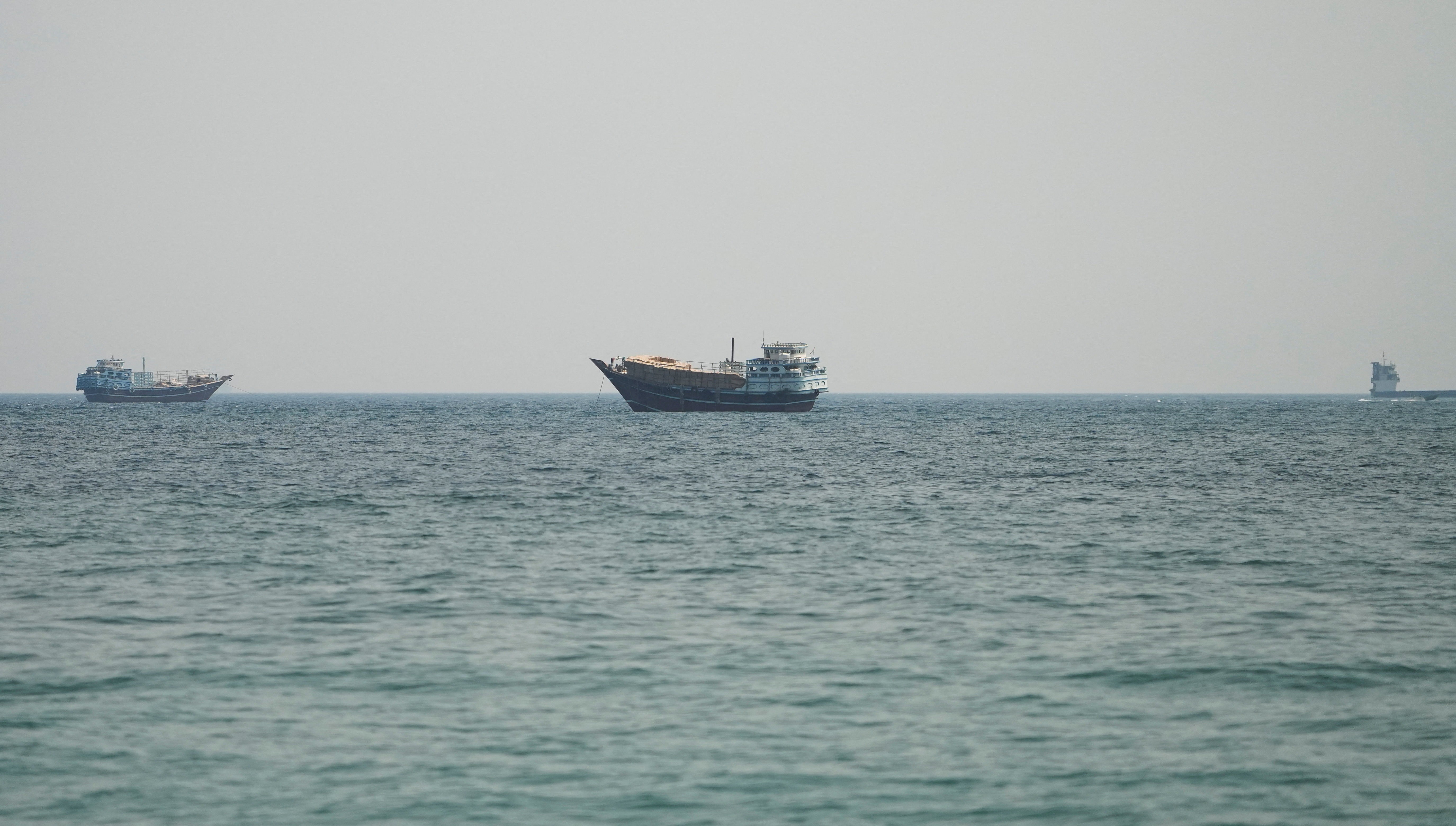
The United States conducted a new round of attacks against Iran on Sunday, January 12, following an escalation initiated by an Iranian attack on a container ship in the Strait of Hormuz. The Iranian assault left the vessel ablaze and one crew member missing. In response, Washington launched an initial offensive, prompting Tehran to retaliate with attacks on Bahrain, Kuwait, Qatar, Jordan, and Oman – countries hosting US military facilities or playing strategic roles in maritime traffic. US officials stated the subsequent American strikes targeted Iranian missile systems, air defenses, and Islamic Revolutionary Guard Corps vessels. The Strait of Hormuz, a critical global oil and gas transit route, has become a focal point of tension, jeopardizing a provisional 60-day agreement aimed at ending the conflict. UN Secretary-General António Guterres warned that a return to large-scale hostilities would have catastrophic consequences. Iran's Parliament Speaker, Mohammad Bagher Qalibaf, declared, "The era of unilateral deals is over," asserting that Iran would enforce its terms or exact a price. Iran claimed to have closed the strait until normalcy returns and threatened further action if attacked again, while the US maintained the passage remained open, citing over 140 ship transits in the past week. The Iranian attack on the Cyprus-flagged container ship caused significant damage, with 23 crew members rescued, but one Indian national remains missing. The Islamic Revolutionary Guard Corps claimed vessels ignored warnings and disobeyed instructions. Diplomatic efforts by Pakistan, Qatar, and Egypt to de-escalate continued amidst the renewed hostilities.
The escalating military actions between the United States and Iran over the Strait of Hormuz highlight the precariousness of international maritime security and the fragility of de-escalation agreements in volatile regions. The Iranian assertion that the "era of unilateral deals is over" signals a potential shift in its strategic calculus, possibly indicating a move away from negotiated settlements towards more assertive unilateral actions to protect its perceived interests. This dynamic, coupled with the US response, creates a feedback loop of escalation that risks broader regional instability and disrupts global energy markets. Looking ahead, the reliance on choke points like the Strait of Hormuz for a significant portion of global energy trade underscores systemic vulnerabilities. Future geopolitical strategies will need to balance national security imperatives with the collective need for open and secure transit routes, potentially through enhanced multilateral frameworks or diversified energy supply chains, to mitigate the impact of such localized conflicts on the global economy.
AI-generated to prompt reflection — not editorial opinion, not advice, not a statement of fact. How this works.