Iran Plans Six-Day Funeral for Supreme Leader Ali Khamenei Amid Regional Tensions
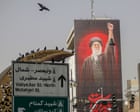
Iran is preparing for an extensive six-day funeral ceremony for its supreme leader, Ali Khamenei, following his death in a February attack attributed to the US and Israel. The funeral, scheduled to begin Saturday in Tehran and conclude with burial in Mashhad on Thursday, is anticipated to attract millions and serve as a significant demonstration of national unity and power. First Vice-President Mohammad Reza Aref, the lead organizer, has called it the most important event of the century, aiming to project messages of resistance globally. Khamenei's body will also be transported through the Iraqi Shia cities of Karbala and Najaf at the request of Iraqi politicians.
Notably, Khamenei's son and presumed successor, Mojtaba Khamenei, is not expected to attend. Mojtaba was reportedly severely injured in the same strike that killed his father, along with his wife and infant daughter. His current condition remains unknown, and he has only issued written statements, including one regarding ceasefire negotiations. Adding to regional tensions, Israel's defense minister, Israel Katz, has publicly threatened Mojtaba Khamenei.
The article also briefly touches on Donald Trump's dissatisfaction with NATO's defense spending, noting a previous agreement for member states to increase spending to 5% of GDP by 2035.
The extensive funeral arrangements for Ali Khamenei appear designed to consolidate national identity and project an image of resilience in the face of external conflict. The planned scale and international transit of the body suggest a strategic effort to leverage mourning for political messaging, potentially aiming to galvanize domestic support and influence regional perceptions. The absence and reported injury of Mojtaba Khamenei introduce uncertainty regarding succession, while public threats against him by Israeli officials highlight the volatile geopolitical climate. Future leadership transitions in Iran, particularly under such heightened security and political pressures, will be critical indicators of the nation's internal stability and its approach to international relations in the coming decade.
AI-generated to prompt reflection — not editorial opinion, not advice, not a statement of fact. How this works.