Iran: Power Reconfiguration Behind the Absence of the New Leader
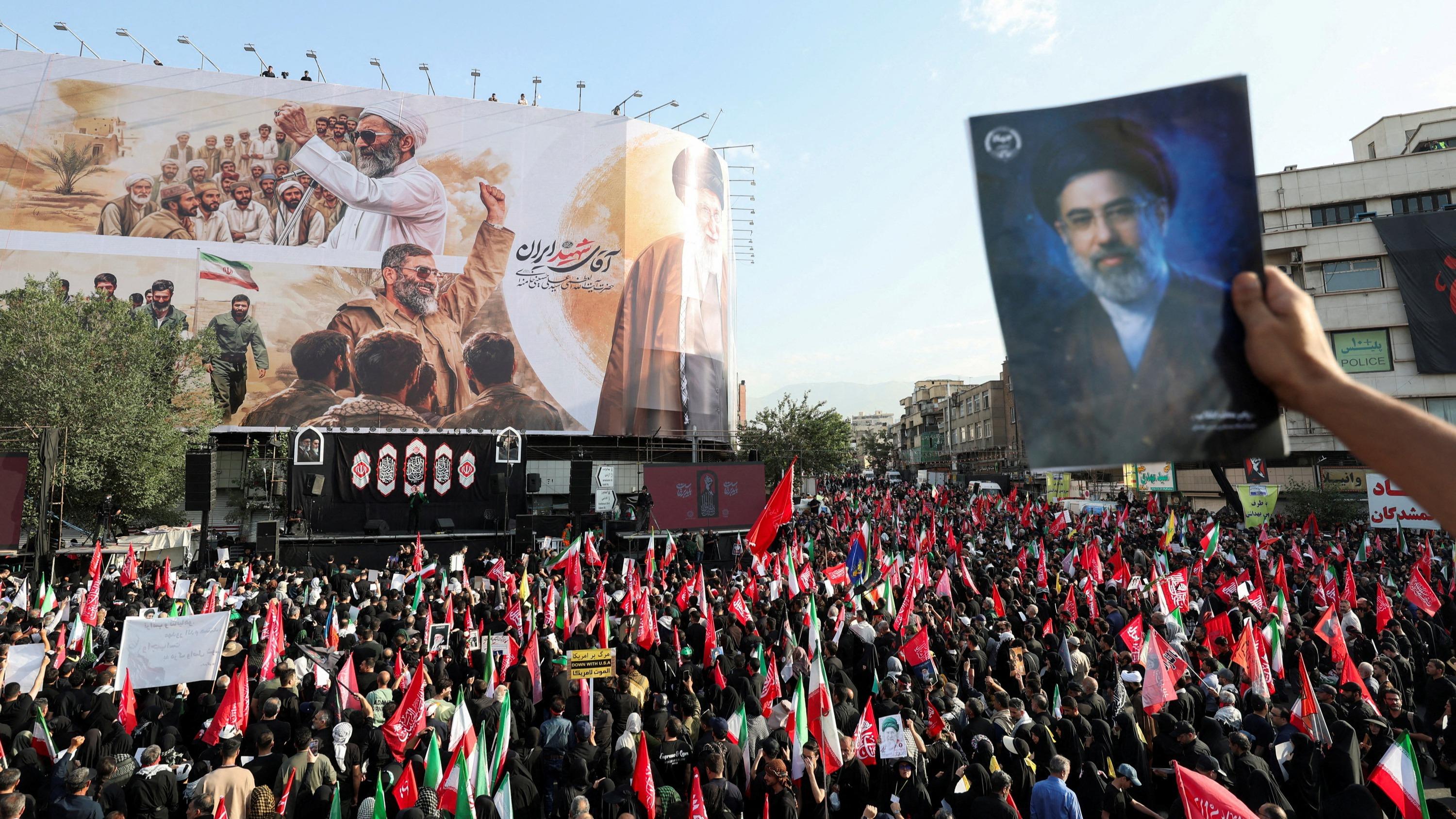
The recent funeral of Iran's Supreme Leader, Ayatollah Ali Khamenei, was marked by the conspicuous absence of his son, Mojtaba Khamenei. This absence is seen as a significant indicator of a potential reconfiguration of power within Iran's leadership. Sources suggest that a new direction is emerging, characterized by a less overtly religious, more audacious approach to governance. However, this evolving leadership is expected to remain as ruthless as its predecessor in dealing with political opposition. The focus appears to be shifting towards a more pragmatic, albeit still authoritarian, style of rule. This development could signal a departure from the traditional clerical dominance, potentially ushering in a new era of political strategy for the Islamic Republic. The implications of this shift are being closely watched both domestically and internationally, as it may influence Iran's future policies and its role on the global stage. The precise reasons for Mojtaba Khamenei's absence remain undisclosed, fueling speculation about the internal dynamics of the ruling elite.
The reported absence of Mojtaba Khamenei during his father's funeral, coupled with observations of a less religious and more audacious leadership style, suggests a potential strategic recalibration within Iran's political establishment. This shift could reflect an adaptation to evolving domestic and international pressures, prioritizing pragmatic statecraft over overt religious symbolism. The continuity of a firm stance against opposition indicates that core authoritarian structures may remain intact, even as the outward presentation and operational methods of the regime adapt. Such a transition, if it solidifies, may be driven by a desire to enhance state capacity and project a more modern image, while navigating the complex geopolitical landscape of the next decade. The long-term success of such a strategy will likely depend on its ability to balance internal stability with external engagement and address the underlying socio-economic challenges facing the nation.
AI-generated to prompt reflection — not editorial opinion, not advice, not a statement of fact. How this works.