Iran Prepares for Three-Day Funeral of Supreme Leader Ali Khamenei
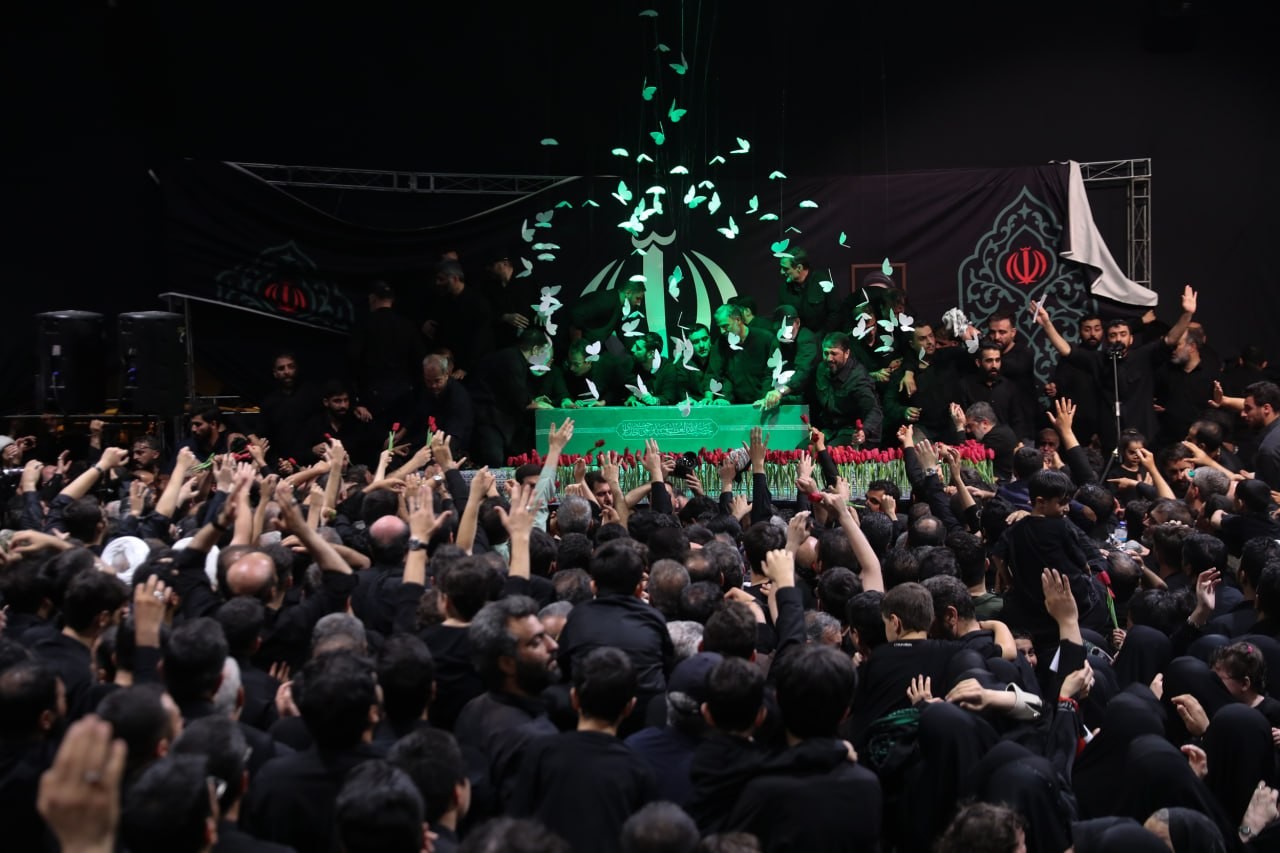
Tehran has been transformed into a heavily secured fortress in preparation for the three-day funeral of Iran's former Supreme Leader, Ayatollah Ali Khamenei. The ceremonies are commencing four months after his death on February 28, which Iranian authorities attribute to attacks by Israel and the United States. Khamenei, who was the longest-serving supreme leader since the 1979 Islamic Republic, died at the age of 86. Officials anticipate between 15 million and 20 million attendees in the capital alone. The funeral is also being framed as a show of strength following a recent conflict that resulted in numerous civilian casualties and the deaths of high-ranking Iranian officials. The attendance of Khamenei's son, Mojtaba, who reportedly assumed the role of supreme leader in March and was allegedly injured in the attack that killed his father, remains unconfirmed. He has reportedly only communicated via written messages since the incident. Preparations are underway at the Mosalla religious complex, where the wake will be held, with workers making final arrangements under intense heat. The first ceremony, held on Thursday night, included family members of those deceased in the Iran-Iraq War, members of the supreme leader's cabinet, and the Revolutionary Guard. Public tributes are scheduled to begin over the weekend, with gates opening at 6 a.m. on Saturday. The complex will remain open day and night until Monday, after which the coffin will be paraded through Tehran's streets. On Tuesday, the coffin will be transported to the holy city of Qom. Dignitaries from approximately 30 countries, primarily from the region, are expected, including former Russian President Dmitry Medvedev and Pakistan's Prime Minister Shehbaz Sharif. China will be represented by He Wei, a senior parliamentary official. No European leaders have been invited. The state funeral, initially planned for March but postponed due to the recent conflict, is anticipated by Iranian authorities to be the largest in the country's history, surpassing the 1989 funeral of Ayatollah Ruhollah Khomeini, which reportedly drew 10 million people and resulted in over ten deaths due to stampedes. Khamenei's family members who perished with him on the first day of the war, including a daughter, son-in-law, daughter-in-law, and granddaughter, will also be honored. Images of the former leader, symbolizing resistance to the West, and commemorative banners have been displayed throughout the ceremony site. The funeral is taking place amid heightened tensions and a fragile ceasefire with the United States, alongside internal dissatisfaction over the cost of living and government policies. Security measures have been significantly increased in Tehran, with extensive road closures, partial airport operations, and the suspension of commercial activities. Ali Khamenei is scheduled to be buried on July 9 in his birthplace, the holy city of Meshed, in northeastern Iran, following a procession through Iraq on Wednesday. The source country is Afghanistan, and the original language is Portuguese.
The extensive security measures and anticipated large attendance for Ayatollah Ali Khamenei's funeral underscore the Iranian state's effort to project stability and national unity in the wake of significant conflict and internal pressures. The framing of the event as a demonstration of strength and national mourning, juxtaposed with the stated cause of death stemming from external attacks, serves to consolidate domestic support and potentially rally regional allies. The logistical scale of the funeral, including international participation from select nations and the planned procession, indicates a strategic intent to influence geopolitical perceptions and reinforce the regime's narrative. The contrast between the historical funeral of Ayatollah Ruhollah Khomeini and this event, particularly concerning potential public order issues, highlights the evolving dynamics of state control and public sentiment within Iran over time. The focus on projecting an image of resilience and continuity, despite the circumstances of Khamenei's death and ongoing internal challenges, reflects a broader strategy of statecraft aimed at navigating complex domestic and international environments.
AI-generated to prompt reflection — not editorial opinion, not advice, not a statement of fact. How this works.