Iran Preserves Supreme Leader Khamenei's Body for Four Months for Funeral
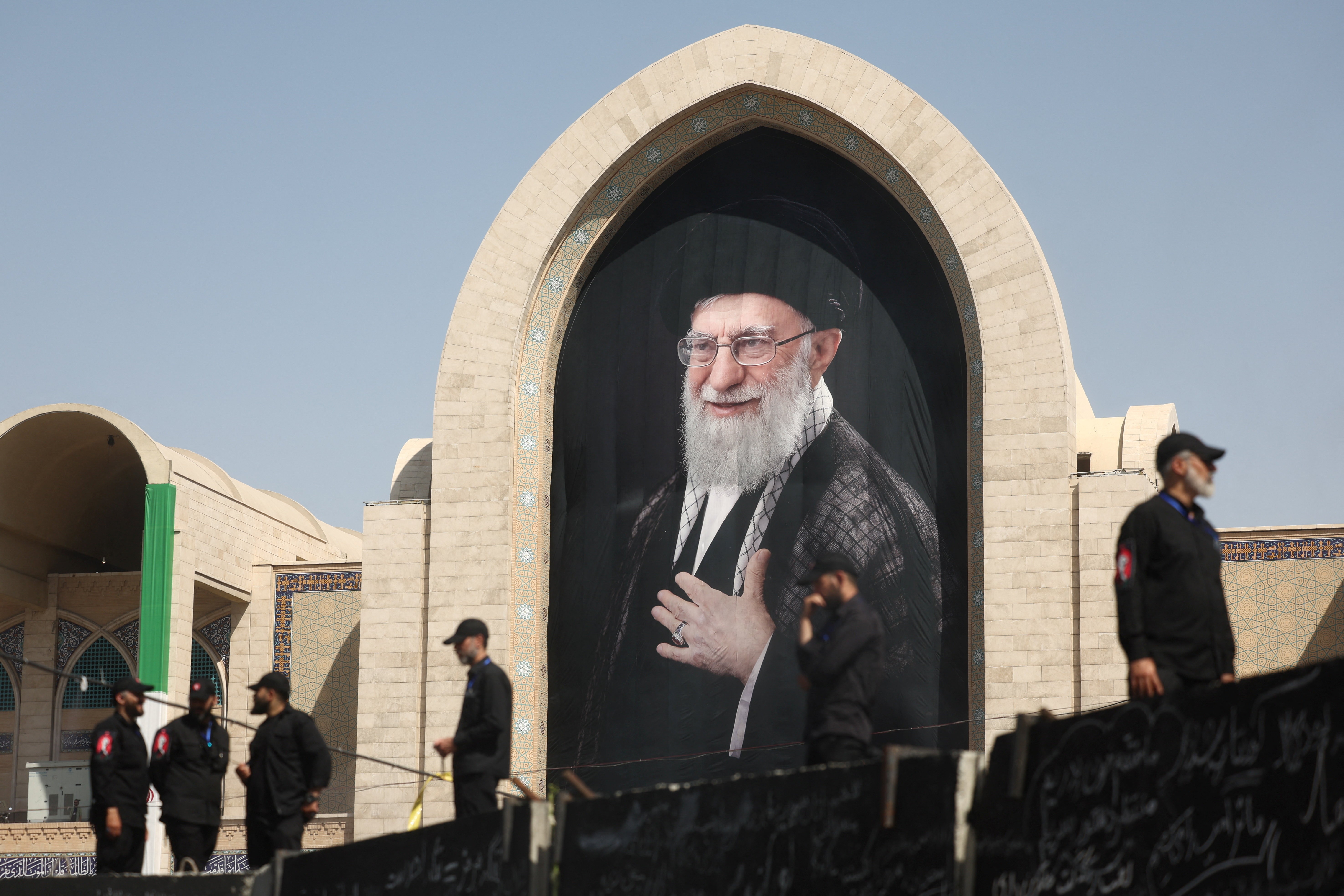
Thousands of mourners gathered in Iran for the funeral of Ayatollah Ali Khamenei, the nation's supreme leader, who was reportedly killed in an attack by the United States and Israel. Khamenei, along with several family members, including a daughter, son-in-law, daughter-in-law, and a 14-month-old granddaughter, died on February 28th, marking the first day of the conflict. Islamic tradition typically dictates funerals occur within days of death. However, Iranian authorities announced in early March that the funeral would be postponed due to logistical and security concerns, with the official announcement for the ceremony only made in early June, nearly two months after a ceasefire began. State media reported that millions attended the ceremonies, which commenced on Saturday, June 4th. An organizing committee spokesperson, Iman Attarzadeh, stated that the bodies were preserved according to religious and legal standards, without providing specific details on the preservation methods. While chemical embalming is generally discouraged or prohibited in Islamic tradition due to prohibitions against body mutilation, Iraqi historian and counter-terrorism expert Omar Mohammed suggested to Fox News that the body was likely kept in a refrigerated chamber. Mohammed explained that Shia Islamic law permits burial delays and body preservation through refrigeration in exceptional circumstances, and that obtaining religious authorization for such an exception for a supreme leader would likely be straightforward.
The reported four-month preservation of Ayatollah Ali Khamenei's body for a state funeral, deviating significantly from standard Islamic burial customs, highlights the Iranian state's strategic use of religious observance for political consolidation and national unity. The logistical and security justifications for the delay, coupled with the emphasis on religious compliance in preservation, suggest a deliberate effort to manage public sentiment and project an image of stability and divine sanction during a period of conflict. This approach leverages deep-seated cultural and religious norms to frame a potentially destabilizing event, such as the death of a supreme leader, into a moment of collective mourning and national resilience, thereby reinforcing the legitimacy of the ruling structure in the eyes of the populace.
AI-generated to prompt reflection — not editorial opinion, not advice, not a statement of fact. How this works.