Iran Ramps Up Oil Exports Amidst Ceasefire Fears
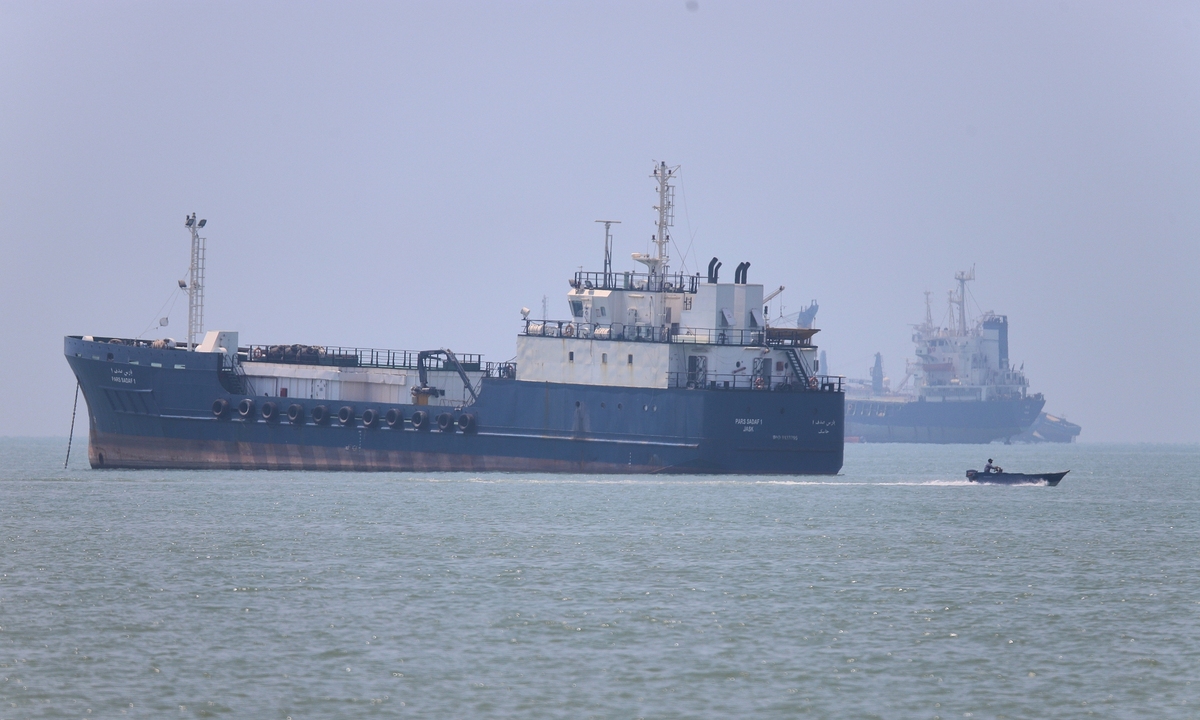
In the past three weeks, Iran has significantly increased its oil exports, utilizing the Strait of Hormuz. This surge in shipments is attributed to a temporary ceasefire agreement reportedly reached with the United States. The Iranian government appears to be maximizing its oil sales during this period of reduced hostilities. The primary motivation behind this accelerated export drive is to sell as much oil as possible before the potential resumption of conflict. This strategy suggests a proactive approach to capitalize on the current window of opportunity, likely to secure revenue amidst ongoing geopolitical uncertainties. The move highlights the critical role of oil exports in Iran's economy and its efforts to navigate international relations through strategic trade.
Iran's accelerated oil exports during a perceived ceasefire suggest a strategic effort to maximize revenue generation within a limited timeframe. This action reflects an incentive to leverage periods of reduced geopolitical tension for economic gain, potentially mitigating the impact of future sanctions or conflict. The reliance on oil exports as a primary economic driver underscores the vulnerability of Iran's economy to external political factors and global energy market dynamics. Future developments will likely depend on the sustainability of the ceasefire and the evolving international response to Iran's trade activities, presenting a complex interplay between economic necessity and geopolitical strategy.
AI-generated to prompt reflection — not editorial opinion, not advice, not a statement of fact. How this works.