Iran Rejects US Ceasefire Offer Delivered by Iraqi PM
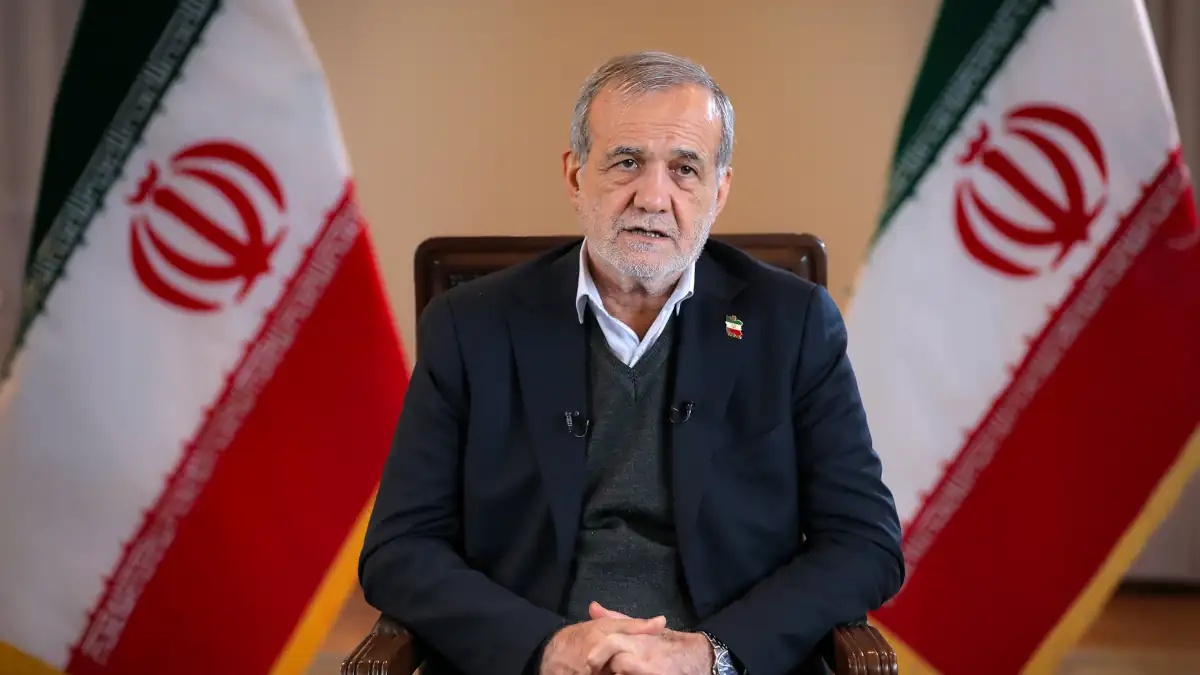
Tehran rejected a US ceasefire proposal on Thursday, which was conveyed by the head of the Iraqi government. Iranian and Iraqi officials, cited by The New York Times, stated that the offer's silence on the issue of control over the Strait of Hormuz was the primary reason for Iran's refusal. This strategic strait is a key point of contention in the ongoing blockade. The specific details of the US proposal and the exact nature of the Iraqi Prime Minister's involvement were not fully elaborated in the provided text. The report indicates that the Iranian leadership found the American offer insufficient due to the unresolved question of maritime passage and control in the vital waterway. Further diplomatic exchanges or clarifications may be necessary to address the core concerns raised by Iran.
The Iranian rejection highlights the critical strategic importance of the Strait of Hormuz, a chokepoint whose control is a significant factor in regional security and global energy markets. The US offer, if it failed to address this issue, likely overlooked Iran's core security and economic interests, leading to its dismissal. This situation underscores the complexities of de-escalation in a region where control over vital trade routes is a paramount concern for multiple actors. Future diplomatic efforts may need to incorporate comprehensive solutions that acknowledge and balance the competing interests regarding maritime passage and sovereignty in this sensitive waterway to achieve any lasting stability.
AI-generated to prompt reflection — not editorial opinion, not advice, not a statement of fact. How this works.