Iran Rejects US Ceasefire Proposal Delivered by Iraqi PM
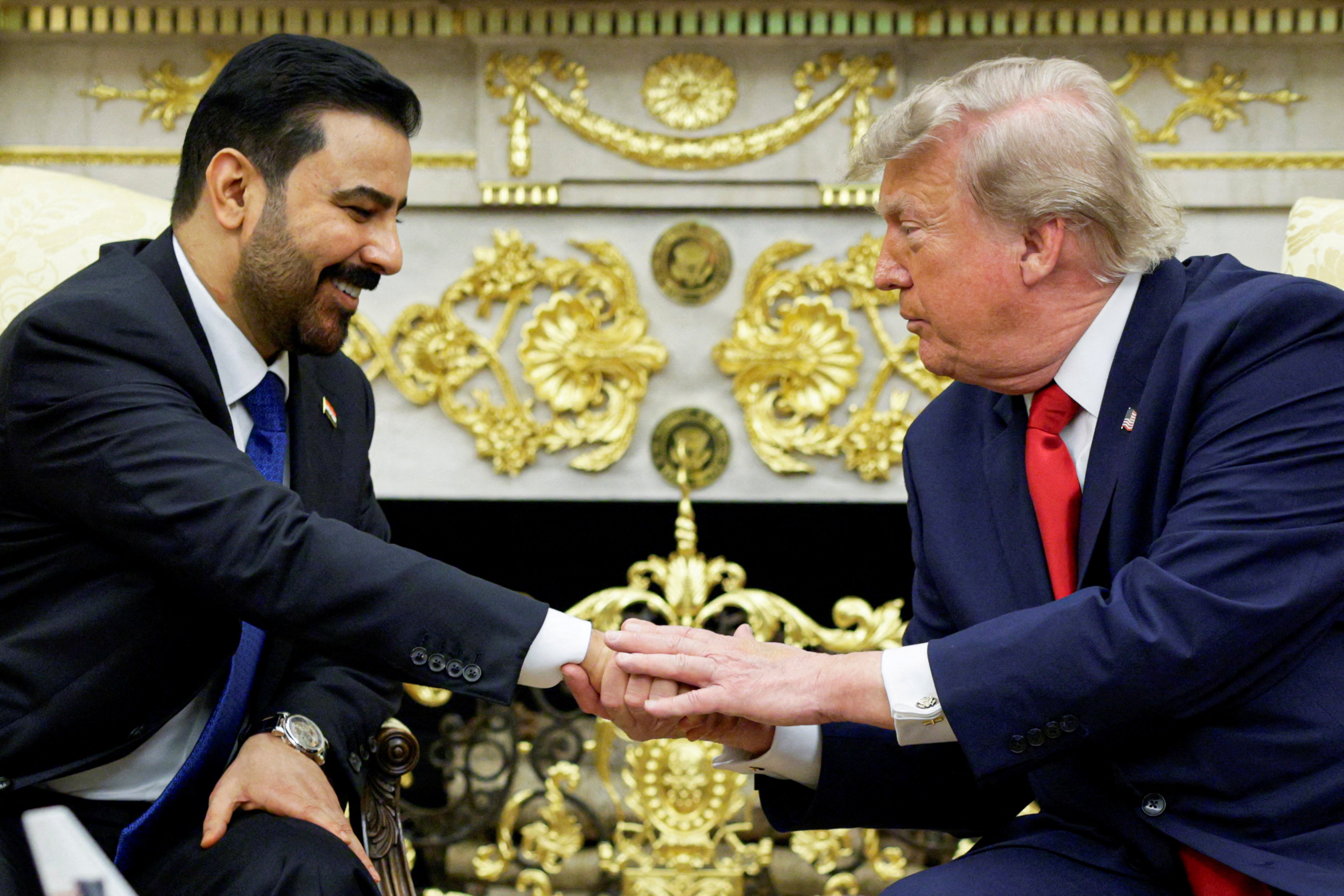
Iran has rejected a US-proposed ceasefire offer that was conveyed by Iraqi Prime Minister Ali al-Zaidi, according to The New York Times, citing Iranian and Iraqi officials. Al-Zaidi's visit to Tehran followed his meeting with US President Donald Trump at the White House on June 14. In Iran, the Prime Minister reportedly met with Iranian President Masoud Pezeshkian, chief negotiator General Mohammad Bagher Ghalibaf, and Foreign Minister Abbas Araghchi. The specifics of the US proposal were not disclosed, but Iranian authorities informed the newspaper that the government is uninterested in a temporary agreement that does not address control over the Strait of Hormuz, a vital oil transport route. Foreign Minister Araghchi stated that Al-Zaidi shared his "views and impressions" from Washington, but emphasized that the issue between Iran and the US is not a lack of intermediaries, as sufficient channels already exist. Iranian officials are concerned that escalating conflict could occur if President Trump follows through on threats to attack Tehran and other critical infrastructure. In such a scenario, Iran might expand its regional actions, potentially targeting Tel Aviv and utilizing Houthi allies to disrupt shipping in the Bab al-Mandab strait in the Red Sea. This development comes as the US conducted its 13th night of strikes against Iran since a June ceasefire agreement ended. Recent weeks have seen intensified confrontations, with US forces bombing Iranian military and transport facilities, and Iran responding with ballistic missile and drone attacks on US military targets in the Middle East.
The reported rejection of a US ceasefire proposal by Iran, mediated by Iraq's Prime Minister, highlights the persistent strategic deadlock between the two nations. Iran's stated condition—resolving control over the Strait of Hormuz—suggests a focus on fundamental sovereignty and economic security interests rather than a temporary de-escalation. The potential for wider regional conflict, including Iranian retaliatory actions against Tel Aviv and disruptions in the Red Sea, indicates a high-stakes environment where miscalculation could lead to significant geopolitical instability. The ongoing exchange of strikes underscores a dangerous escalation cycle, driven by mutual security concerns and geopolitical maneuvering. Future diplomatic efforts may need to address these core Iranian demands to achieve any lasting resolution, while the international community faces the challenge of managing immediate escalation risks.
AI-generated to prompt reflection — not editorial opinion, not advice, not a statement of fact. How this works.