Iran Rejects US Talks, Peace Deal Prospects Dim
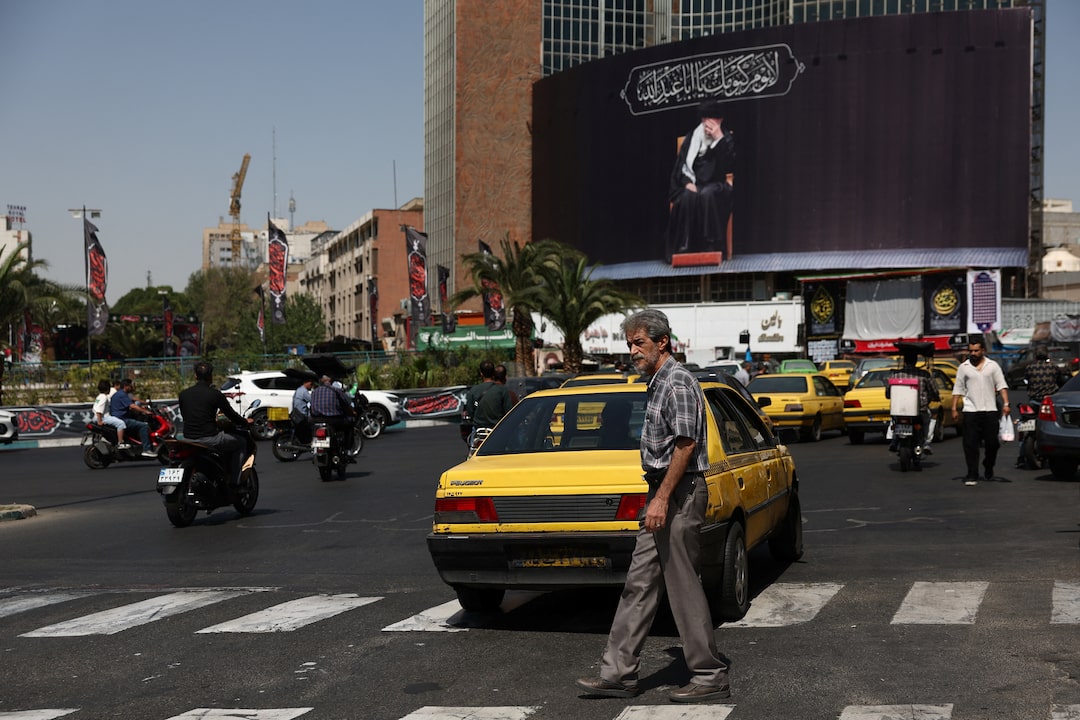
Iran has stated that it will not engage in direct meetings with US envoys, significantly clouding the prospects for a peace deal. Tehran insists that the terms of a ceasefire must be fully settled before any diplomatic talks can commence. This stance creates a considerable hurdle for ongoing diplomatic efforts aimed at de-escalating tensions. Meanwhile, Washington continues to pursue diplomatic avenues to resolve the situation. These efforts are proceeding despite recent reports suggesting that President Trump had considered renewing military strikes against Iran. The Iranian position underscores a deep distrust and a demand for concrete de-escalation measures before considering dialogue. The international community watches closely as these diplomatic maneuvers unfold, with the potential for renewed conflict remaining a significant concern.
The Iranian government's insistence on settling ceasefire terms before engaging in direct talks with the US highlights a strategic leverage play, prioritizing de-escalation on its own terms. This approach contrasts with the US diplomatic outreach, which appears to maintain the possibility of military options as a background factor, potentially influencing negotiation dynamics. The situation reflects a complex interplay of national security interests, regional power balances, and domestic political considerations on both sides. Future developments will likely depend on whether either party is willing to compromise on preconditions or if external pressures necessitate a shift in strategy. The underlying incentive structures suggest a prolonged period of strategic maneuvering rather than an immediate breakthrough.
AI-generated to prompt reflection — not editorial opinion, not advice, not a statement of fact. How this works.