Iran Rejects US Trust, Vows Not to Recognize Israel
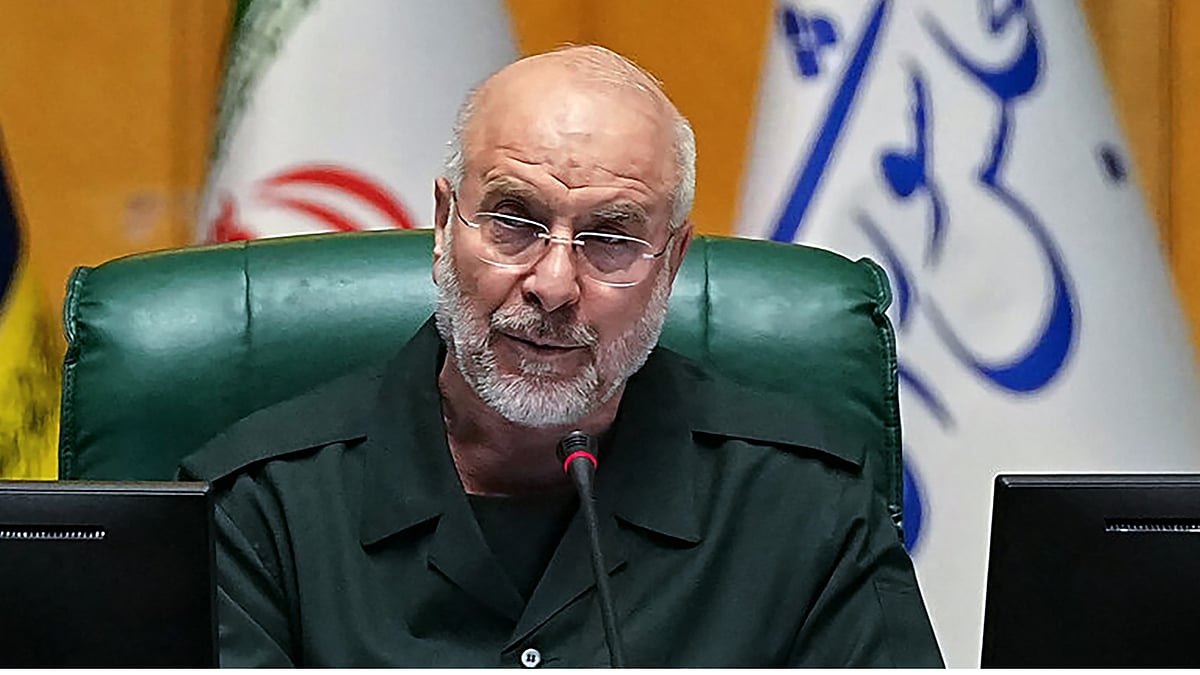
Iranian Parliament Speaker Mohammad Bagher Ghalibaf stated that Iran has no peaceful relationship with the United States, labeling Washington as untrustworthy. During a meeting with Hamas Shura Council Chairman Mohammad Darwish in Tehran on Sunday, Ghalibaf reiterated Iran's unwavering stance on never recognizing Israel. He affirmed Iran's continued support for the Muslim world and the Axis of Resistance, including providing missile and political support if necessary. Ghalibaf highlighted that Iran has established firm red lines for negotiations with the US, which were maintained throughout the discussions and encompassed the Axis of Resistance and Lebanon. He also pledged to closely monitor the second phase of the Gaza ceasefire process. According to Ghalibaf, Iran did not compromise its core demands in the memorandum of understanding signed with the US through Qatari and Pakistani mediation, specifically the cessation of conflict against Iran's regional allies and the Axis of Resistance. He asserted that the US was compelled to accept this condition in the agreement. Ghalibaf emphasized that full military preparedness is essential for conducting negotiations from a position of strength, warning that any perceived weakness in Iran's resistance capabilities would prompt the US and Israel to resort to war again. He stressed the necessity for diplomacy to be sufficiently capable and robust to safeguard and sustain military achievements.
The statements from Iran's Parliament Speaker reflect a strategic posture rooted in historical distrust of the United States and a commitment to regional alliances. This approach prioritizes military strength and resistance as foundational elements for diplomatic engagement, suggesting a belief that perceived weakness invites aggression from adversaries like the US and Israel. The emphasis on maintaining support for the 'Axis of Resistance' indicates a long-term geopolitical strategy aimed at countering perceived external influence and safeguarding national interests through a network of regional partners. This dynamic highlights a fundamental tension between Iran's security objectives, its diplomatic engagement with global powers, and its regional ambitions, particularly in the context of ongoing conflicts and international relations in the Middle East.
AI-generated to prompt reflection — not editorial opinion, not advice, not a statement of fact. How this works.