Iran Reportedly Agreed to Nuclear Deal Before Drone Attack, Trump Claims
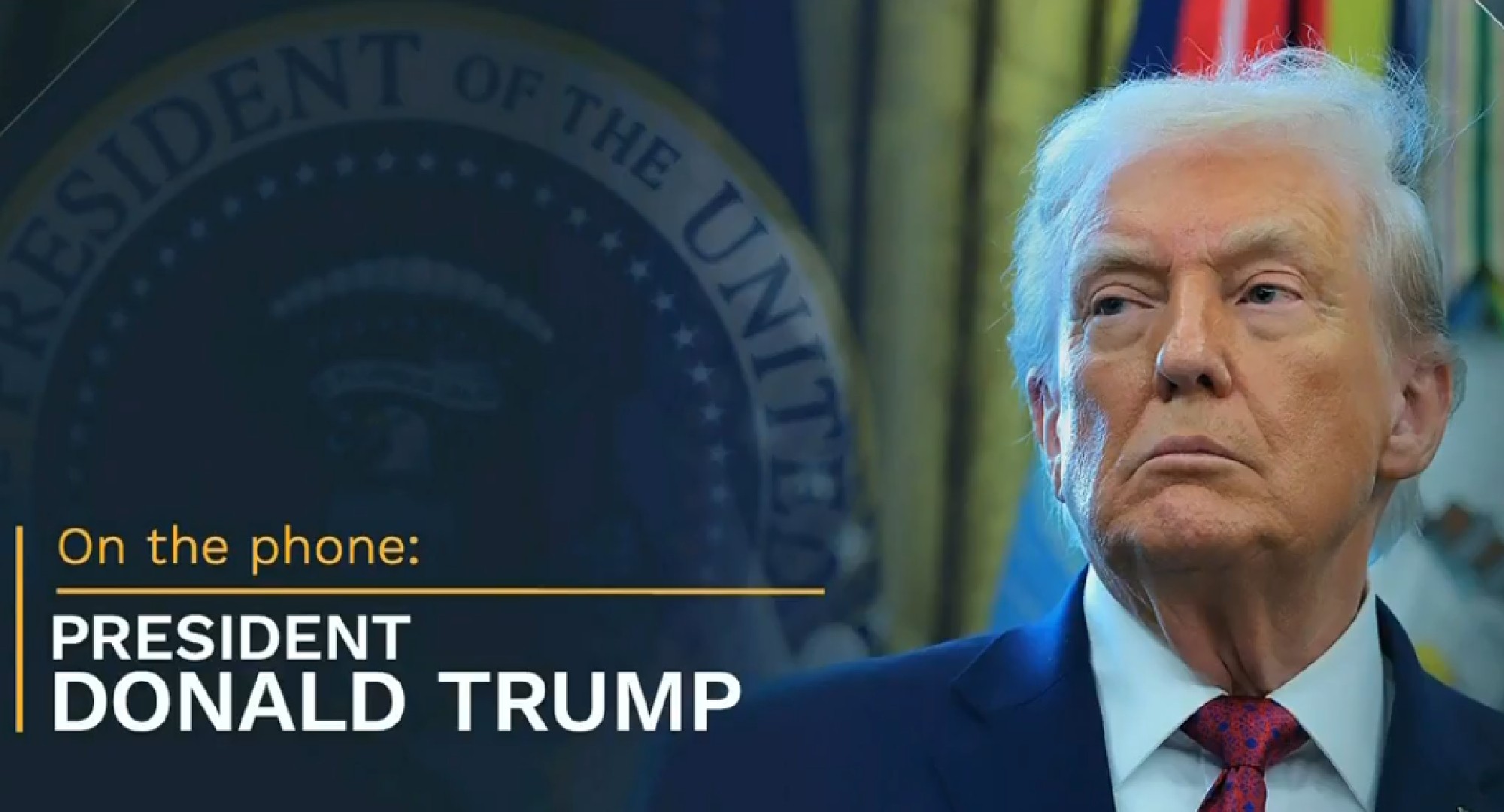
U.S. President Donald Trump stated that Iran had agreed to a peace deal, relinquishing nuclear weapons as demanded by Washington, shortly before launching a drone attack on a vessel in the Strait of Hormuz. Speaking to NBC News on Sunday, June 12th, Trump reiterated the U.S. Central Command's assertion that the strait remains open, though he declined to elaborate on the regional conflict escalation. He sharply criticized Iranian officials, calling them "bad, sick people." Trump claimed Iran agreed to a "perfect deal" without nuclear weapons, only to launch a drone attack less than an hour later. Earlier, U.S. Central Command denied the Strait of Hormuz was closed for navigation, as announced by the Iranian Revolutionary Guard, and affirmed that Iran does not control the route. U.S. forces are positioned to ensure freedom of navigation and condemned what they termed "unjustified Iranian aggression." The Iranian Revolutionary Guard confirmed firing warning shots at vessels attempting an unauthorized route, stating the Strait of Hormuz would remain closed until further notice. The incident occurred approximately 17 km east of Oman's Musandam Peninsula, causing a fire and forcing the crew of the GFS Galaxy to abandon ship. Twenty-three crew members were rescued, but one remains missing. In parallel, Iran reportedly attacked U.S.-linked targets in four Persian Gulf countries, including alleged strikes on a command center in Jordan, a radar in Kuwait, and support platforms in Oman and Qatar. The UAE reported intercepting missiles and drones originating from Iran, while Qatar confirmed intercepting missiles and reported three injuries. The U.S. Central Command announced strikes on 140 Iranian military targets over three nights to degrade Iran's ability to attack commercial vessels. Iranian state media reported explosions in southern Iran, with one report citing the death of a soldier during a U.S. attack on Jask port. Pakistan's Foreign Minister Ishaq Dar urged both sides to exercise restraint. Earlier negotiations between Iran and Oman, with Qatari participation, focused on the war and navigation in Hormuz, with both coastal states agreeing to continue discussions on maritime security.
The reported exchange between the U.S. and Iran highlights a complex geopolitical dynamic where diplomatic agreements and military actions are rapidly juxtaposed. President Trump's assertion of a "perfect deal" being reneged upon by Iran, followed by Iran's alleged aggressive actions and subsequent U.S. retaliatory strikes, suggests a breakdown in trust and communication. The strategic importance of the Strait of Hormuz as a global energy chokepoint amplifies the stakes of any conflict. Future regional stability will likely depend on the effectiveness of de-escalation mechanisms and the ability of international actors to facilitate sustained dialogue, moving beyond immediate retaliatory cycles to address underlying security concerns and establish predictable maritime governance frameworks.
AI-generated to prompt reflection — not editorial opinion, not advice, not a statement of fact. How this works.