Iran Reports Explosions for Third Day Amidst US Retaliation and Ceasefire Collapse
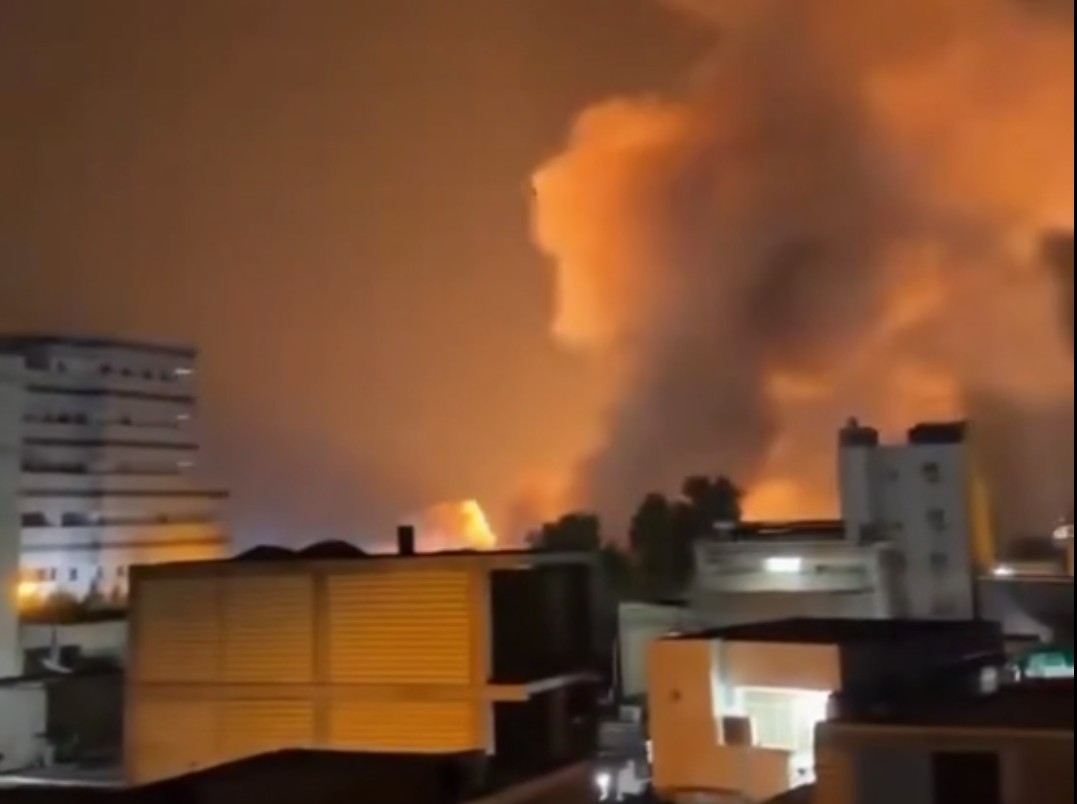
Explosions were heard in Iran for the third consecutive day on Thursday, January 9th, following U.S. President Donald Trump's declaration of the end of a peace agreement between the two nations. The United States had previously confirmed bombing Iranian coastal targets on Tuesday, January 7th, and Wednesday, January 8th, in retaliation for an attack on three commercial vessels attempting to transit the Strait of Hormuz. State media reported new explosions on Thursday in southern coastal cities like Bushehr, Choghadak, and Konarak, though details on damage or casualties were not immediately available. U.S. officials stated their attacks aimed to degrade Iran's capacity to target commercial shipping and sailors in the Strait of Hormuz. On Wednesday, approximately 90 Iranian military targets, including air defense systems, coastal surveillance equipment, and missile/drone storage sites, were struck. The previous day saw the destruction of over 60 Iranian Revolutionary Guard Corps (IRGC) vessels. In response, Iran launched missiles and drones toward U.S. military bases in the Middle East, prompting air defense activations in Kuwait and Bahrain. President Trump announced the termination of the peace agreement on Wednesday, stating, "For me, I think [the peace agreement] is over. I don't want to deal with them [Iran] anymore. They are scum, they are led by sick people and they are a mean, violent people." The IRGC Navy asserted that the U.S. bombings disrupted the gradual reopening of the Strait of Hormuz, which had reportedly recovered to about 50% of pre-war transit levels under Iranian supervision and was being expanded for authorized vessels.
The escalating military actions and rhetoric between the U.S. and Iran, culminating in the collapse of a peace agreement, highlight a volatile geopolitical dynamic. The U.S. strategy of retaliatory strikes on Iranian military assets appears intended to deter further aggression in vital shipping lanes, while Iran's counter-actions and claims of disrupted transit suggest an intent to exert influence over regional maritime security. This cycle of escalation, driven by perceived threats and national interests, risks broader regional instability. Future diplomatic frameworks will need to address the underlying security concerns of all parties involved, particularly regarding freedom of navigation and the prevention of proxy conflicts, to foster a more sustainable peace in the coming decade.
AI-generated to prompt reflection — not editorial opinion, not advice, not a statement of fact. How this works.