Iran retaliates against US strikes with attacks on Bahrain, Kuwait, and Qatar
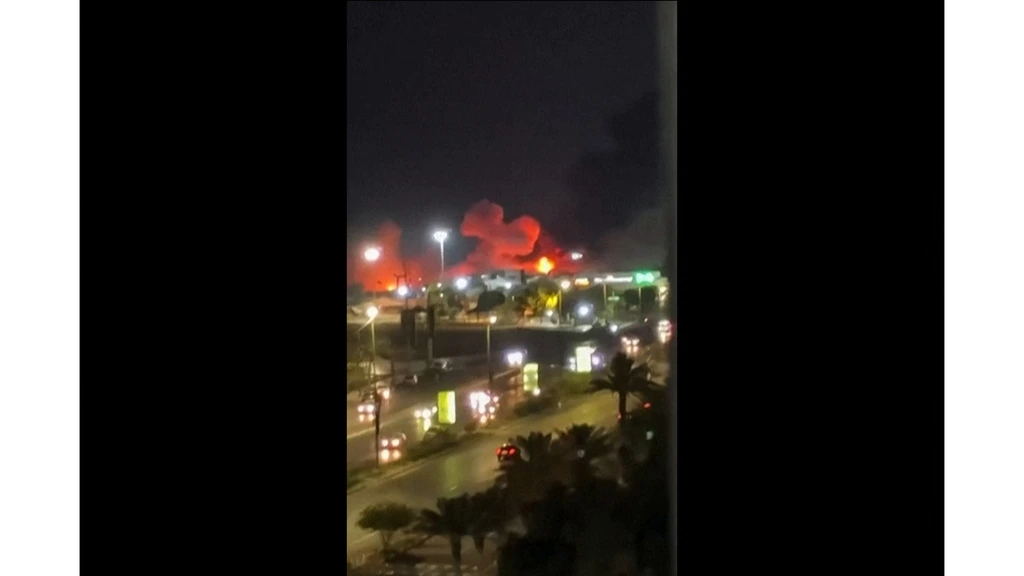
Following new American airstrikes on cities along Iran's coast, Iran launched retaliatory attacks overnight on Bahrain, Kuwait, and Qatar. This escalation appears to undermine the recent ceasefire agreement between the US and Iran, further dimming prospects for follow-up talks. The US strikes on Iranian cities near the Persian Gulf and the Strait of Hormuz occurred shortly after President Trump issued threats from the NATO summit in Turkey. Trump had condemned Iran's recent attacks on ships in the vital waterway, warning that such actions could end the ceasefire. He declared the US would strike Iran "very hard," calling the Iranian regime "scum" and "sick people." During his return to the US, he continued his rhetoric, vowing to respond to any Iranian attack with overwhelming force.
Explosions were reported in coastal cities like Bushehr, home to Iran's sole nuclear power plant, and American forces fired on port cities including Chabahar, Konarak, Bandar Abbas, and Sirik. The US military stated these actions aimed to further disrupt Iran's efforts to impede "freedom of navigation." The Strait of Hormuz is a critical chokepoint, historically handling one-fifth of global oil and gas trade, and the ongoing conflict has caused significant global fuel price increases. In response to the US strikes, Iran targeted Bahrain, Kuwait, and Qatar. Bahrain's US naval base experienced two air raid alerts, and Kuwait's military reported intercepting incoming drones and missiles. Iran asserts that the provisional truce grants it the right to regulate shipping in the Strait of Hormuz. Parliament Speaker Ghalibaf, a key negotiator for a permanent ceasefire, remained undeterred by the US attacks, stating, "Let me be clear: whoever strikes will be struck."
The escalating conflict between the US and Iran, marked by reciprocal strikes and heightened rhetoric, suggests a breakdown in diplomatic channels and a potential return to direct confrontation. The strategic importance of the Strait of Hormuz for global energy markets introduces significant economic volatility, impacting international trade and fuel prices. Iran's assertion of control over shipping lanes, coupled with US military actions aimed at ensuring freedom of navigation, highlights a fundamental clash of interests. This situation underscores the challenges of de-escalation when national security interests and economic lifelines are perceived to be at stake, potentially leading to a prolonged period of regional instability and increased geopolitical risk. The domestic political considerations for both leaderships may also be a factor in the current trajectory.
AI-generated to prompt reflection — not editorial opinion, not advice, not a statement of fact. How this works.