Iran's Alleged Oil Crisis Plan May Have Deterred Trump from Attack
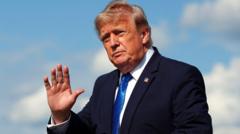
According to some media reports, Iran has devised a plan in case of an attack that could plunge the entire world into a severe oil crisis. This alleged plan suggests that Iran possesses the capability to disrupt global oil supplies significantly. The nature of this plan is not detailed, but its potential impact is described as catastrophic for the international oil market. The reports imply that the perceived threat of this oil crisis might have influenced former US President Donald Trump's decision-making regarding military action against Iran. The implication is that the potential economic fallout from such a crisis outweighed the perceived benefits of a military strike. This strategic positioning by Iran, if true, highlights the complex interplay between geopolitical tensions and global energy security. The reports suggest a scenario where Iran could weaponize its influence over oil markets to deter aggression, a tactic that could have far-reaching consequences.
This situation highlights the strategic use of potential economic disruption as a deterrent in international relations. Iran's alleged plan to trigger a global oil crisis, if credible, represents a non-military countermeasure that leverages global economic interdependence. Such a strategy forces decision-makers, like former President Trump, to weigh the immediate geopolitical objectives against the broader, potentially destabilizing economic consequences. This dynamic underscores the increasing importance of energy security as a critical factor in geopolitical calculations. The long-term implication is a continued tension between state sovereignty, national security interests, and the globalized nature of energy markets, where localized conflicts can have worldwide economic repercussions.
AI-generated to prompt reflection — not editorial opinion, not advice, not a statement of fact. How this works.
