Iran's Ayatollah Khamenei Funeral: Quranic Verses Carry Diplomatic Messages for Nations
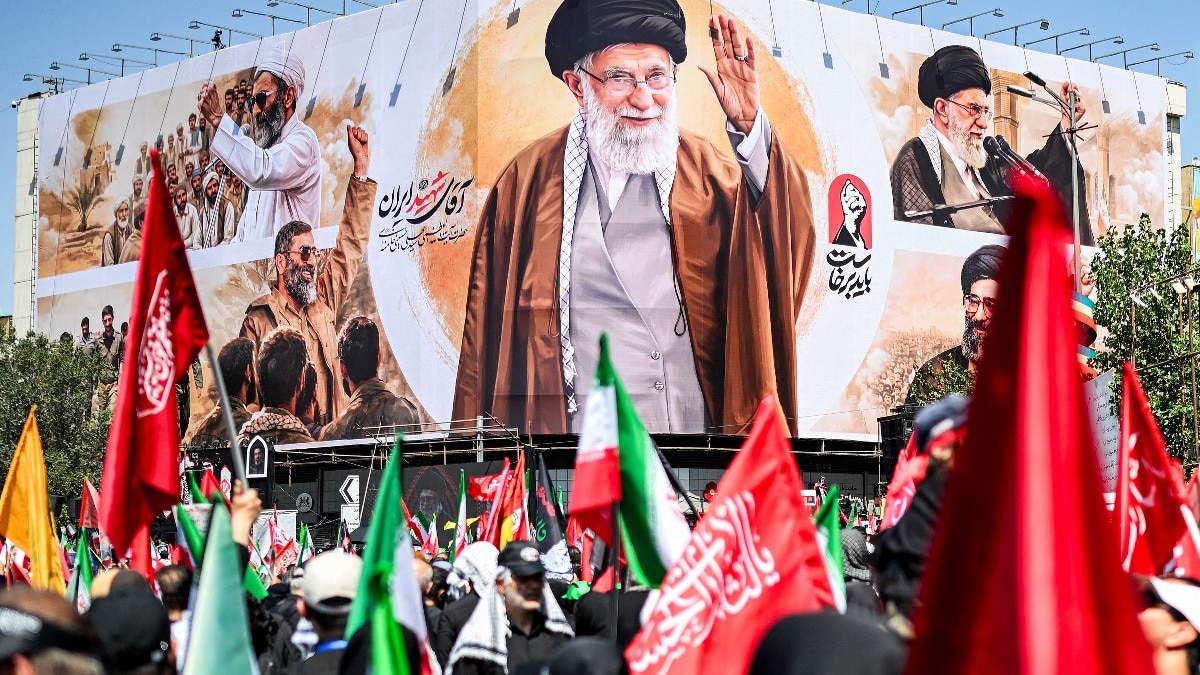
The funeral of Iran's former Supreme Leader Ayatollah Ali Khamenei saw delegations from over 30 countries and non-state entities participate. During the procession, various verses from the Quran were recited, carrying both religious and significant diplomatic undertones. Specific verses were chosen for different nations, including Saudi Arabia, Russia, China, and India, reflecting their respective political and religious relationships with Iran. These selections were interpreted as deliberate messages intended for these countries, signaling the state of bilateral ties and potential future directions. The event highlighted Iran's strategic use of religious symbolism in its foreign policy outreach. The presence of diverse international representatives underscored the global attention on Iran's leadership transition and its regional influence. The choice of Quranic verses served as a unique diplomatic tool, offering insights into Iran's perception of its relationships with key global and regional players.
The selection of specific Quranic verses during the funeral of Ayatollah Ali Khamenei for different international delegations, including Saudi Arabia, Russia, China, and India, suggests a deliberate strategy by Iran to convey nuanced diplomatic messages. This practice leverages religious symbolism as a tool of statecraft, aiming to influence perceptions and signal intentions within the complex geopolitical landscape. The approach highlights Iran's capacity to integrate its domestic spiritual and political leadership transitions with its foreign policy objectives. Future analyses could explore the specific interpretations of these verses and their reception by the targeted nations, assessing the efficacy of this symbolic diplomacy in shaping international relations over the next decade, particularly in the context of evolving global power dynamics and regional alignments.
AI-generated to prompt reflection — not editorial opinion, not advice, not a statement of fact. How this works.