Iran's Calls for Trump's Death Signal Strategic Shift or Emotional Outburst?
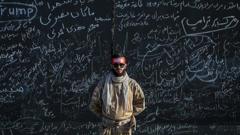
During the funeral ceremonies for Iran's former Supreme Leader, Ayatollah Ruhollah Khomeini, calls for retribution against the US President were repeatedly heard. These demands raise questions about whether they represent a mere emotional reaction or a significant strategic shift in Iranian policy. The intensity and persistence of these sentiments during a solemn national event warrant careful observation. It suggests a deep-seated animosity that could influence future geopolitical interactions. The context of the funeral, a moment of national mourning and reflection, amplifies the significance of such public pronouncements. Analysts are evaluating whether these calls are a genuine reflection of public or elite sentiment, or if they are being strategically employed to signal resolve or garner domestic support. The potential implications for international relations, particularly between Iran and the United States, are considerable. Understanding the underlying drivers of these demands is crucial for assessing the future trajectory of regional stability and diplomatic engagement. The situation highlights the complex interplay of historical grievances, political rhetoric, and potential policy adjustments within Iran.
The recurring calls for retribution against a specific foreign leader during a national mourning event in Iran suggest a complex interplay of domestic political signaling and deeply ingrained anti-American sentiment. While potentially fueled by emotional responses to perceived historical grievances, such public pronouncements can also serve strategic purposes. These might include consolidating domestic support, projecting strength to regional adversaries, or testing international reactions. The framing of these demands as either purely emotional or strategic overlooks the possibility that they are intentionally ambiguous, designed to achieve multiple objectives simultaneously. Future Iranian foreign policy will likely continue to navigate the tension between internal pressures for assertive action and the pragmatic realities of international relations, particularly concerning sanctions and diplomatic isolation. The sustainability of such rhetoric will depend on evolving geopolitical circumstances and the internal political calculus of the Iranian leadership.
AI-generated to prompt reflection — not editorial opinion, not advice, not a statement of fact. How this works.