Iran's Drone Capabilities: Potential Chinese or Russian Tech Suspected After F-15 Loss
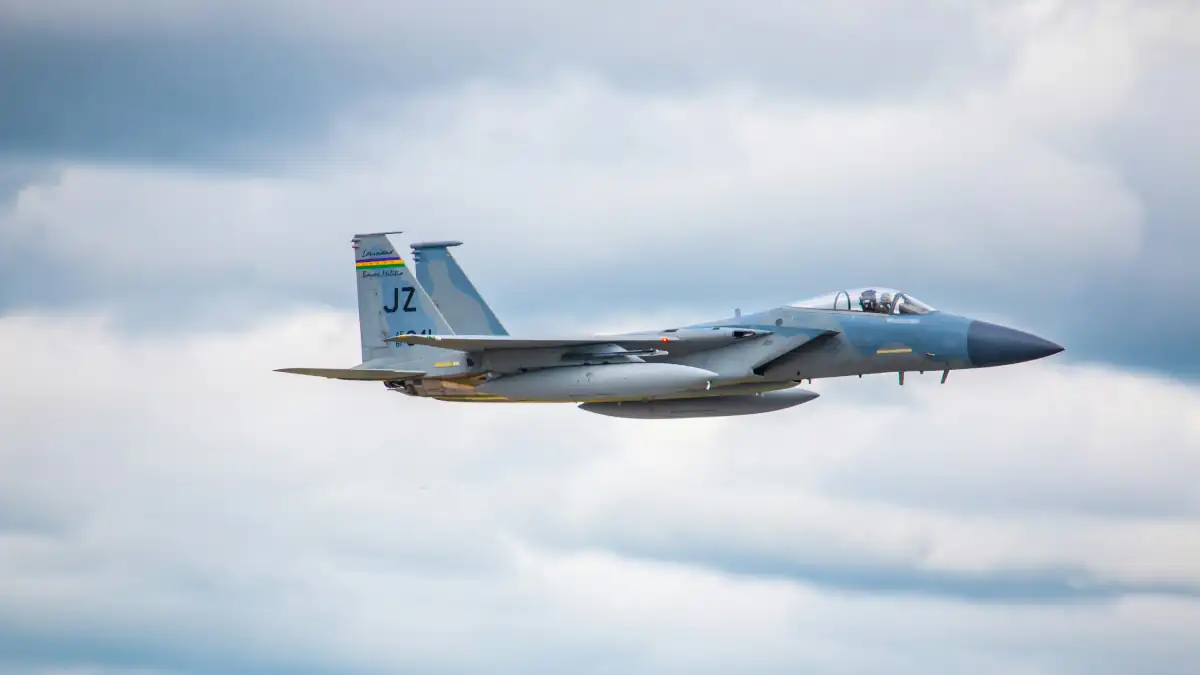
Western military analysts were already surprised by a ninefold increase in the precision of Iran's ballistic missiles during its conflict with the US and Israel. Now, the testimony of an American pilot shot down in April has reignited questions regarding Iran's drone technology. This incident suggests Tehran may have received assistance in developing its drone capabilities. The specific nature of this potential assistance, whether through technology transfer or direct support, is under scrutiny. The pilot's account is prompting a re-evaluation of Iran's technological advancements and their origins. This development raises concerns about the proliferation of advanced drone technology and its implications for regional security. Further investigation is likely to focus on identifying the source of this technological leap. The implications for international arms control and the ongoing geopolitical landscape are significant.
The reported advancements in Iran's drone precision, potentially linked to external technological assistance from China or Russia, warrant careful consideration of international technology transfer regulations and their enforcement. This situation highlights the complex interplay between state-sponsored military development, global supply chains, and geopolitical alliances. Understanding the incentive structures driving such transfers is crucial for assessing future proliferation risks and maintaining regional stability. The incident prompts a forward-looking perspective on how emerging technologies, such as advanced drone systems, will shape future conflicts and the global security architecture over the next decade.
AI-generated to prompt reflection — not editorial opinion, not advice, not a statement of fact. How this works.