Iran's Enduring Reliance on the Strait of Hormuz as Leverage
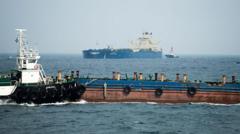
Iran's consistent use of the Strait of Hormuz as a leverage point, while potentially increasing confrontation costs for its rivals, carries the risk of diminishing its strategic value in the long term. This is because such a strategy may incentivize global actors to reduce their dependence on this vital waterway. The ongoing reliance on this choke point highlights a strategic dilemma for Tehran, balancing immediate tactical gains against potential long-term erosion of its influence. The international community's response and efforts to diversify energy routes and supply chains could significantly impact the future effectiveness of Iran's strategy. Therefore, while the Strait of Hormuz remains a critical maritime chokepoint, its utility as a sustained lever of power for Iran is subject to evolving global energy dynamics and geopolitical considerations.
Iran's strategic reliance on the Strait of Hormuz as a pressure tool presents a complex geopolitical dynamic. While it offers a potent, immediate means to disrupt rivals and influence global energy markets, this strategy inherently carries the risk of accelerating efforts by other nations to circumvent its influence. Over time, this could lead to a diminished strategic advantage for Iran as global trade and energy infrastructure adapt to reduce dependence on this singular chokepoint. The long-term viability of this leverage is thus contingent on the pace of global diversification versus Iran's continued ability to control or threaten passage. This situation underscores the systemic challenge of managing critical global commons in an era of geopolitical tension, where localized control can inadvertently spur systemic adaptation and reduce the very leverage it seeks to maintain.
AI-generated to prompt reflection — not editorial opinion, not advice, not a statement of fact. How this works.