Iran's Expanding Reach: Drone Attack on Egyptian Port Signals Escalation
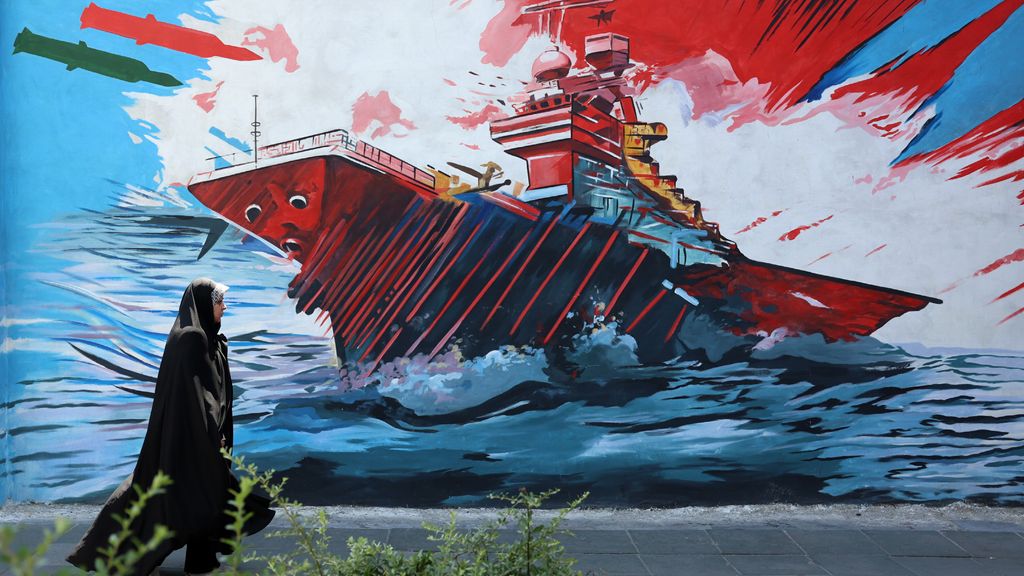
Iran has intensified its missile and drone attacks, extending its targeting beyond Gulf states to locations like Jordan and, for the first time, Egypt. A recent drone strike hit an American gas tanker in the Egyptian port of Damietta, causing a fire that spread to a nearby vessel. This attack is significant as Egypt, despite regional tensions, had previously remained outside Iran's direct targeting, partly due to not hosting U.S. bases. The port of Damietta is a crucial hub for Egypt's liquefied natural gas (LNG) exports to Europe and domestic use. Iranian sources, though officially denied by Tehran, suggested the attack was a demonstration of Iran's capability to disrupt global shipping and energy supplies if it chooses to escalate. The Iranian Foreign Minister, Araghchi, denied involvement, instead accusing Israel of conducting "false flag" operations to undermine regional peace. Concurrently, Jordan is experiencing an increased number of Iranian missile attacks, impacting its role as a significant Middle Eastern hub for American military presence, including the Muwaffaq Salti airbase. This has led to casualties among American personnel and strain on Jordanian air defense systems. Public sentiment in Jordan is divided, with strong pro-Palestinian and anti-Israeli views, while the government maintains its alliance with the U.S. In response to escalating attacks on bases in Bahrain, the UAE, and Qatar, the U.S. has relocated some troops to Jordan, highlighting how hosting American bases may inadvertently increase vulnerability to Iranian actions.
The reported drone attack on Egypt's Damietta port, if attributable to Iran or its proxies, represents a strategic shift in regional conflict dynamics. By targeting a critical energy export hub in a non-aligned nation, Iran demonstrates a capacity to inflict broader economic and logistical disruption, moving beyond direct military confrontations. This action could be interpreted as an attempt to leverage global energy market sensitivities and test the resolve of international actors. The tactic of denying responsibility while hinting at capability suggests a strategy of plausible deniability, aiming to exert pressure without triggering immediate, overwhelming retaliation. The U.S. military's troop redeployments, prompted by earlier attacks, indicate a reactive posture, potentially creating new vulnerabilities as forces disperse. Future regional stability may hinge on de-escalation mechanisms that address the underlying geopolitical incentives driving these proxy actions and direct confrontations.
AI-generated to prompt reflection — not editorial opinion, not advice, not a statement of fact. How this works.