Iran's Foreign Minister: 'No threats or bribes will work; our atom bomb is Hormuz'
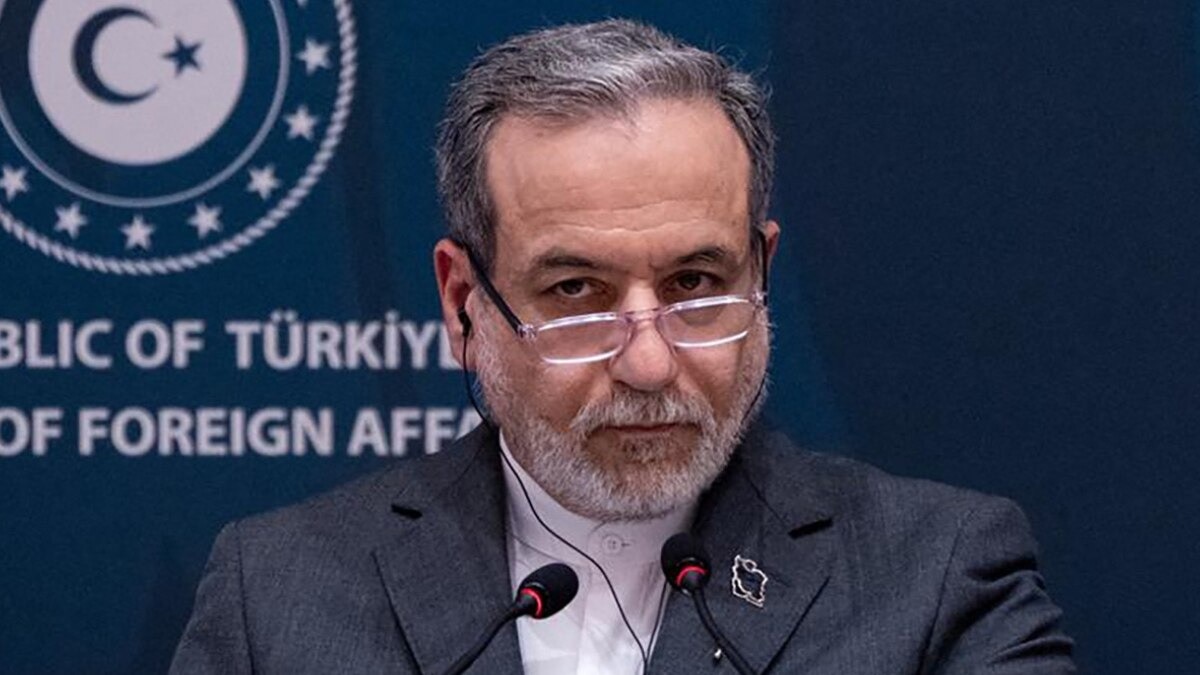
Iranian Foreign Minister Abbas Araghchi stated in an interview that neither the United States nor Israel can intimidate or bribe Iran. He emphasized that during the initial days of the conflict, communication channels were completely severed. Araghchi's remarks suggest a firm stance against external pressures and highlight the critical role of communication in times of crisis. The reference to 'our atom bomb is Hormuz' appears to be a metaphorical assertion of Iran's strategic leverage, possibly relating to control over the Strait of Hormuz, a vital global oil chokepoint. This statement underscores Iran's determination to resist foreign interference and maintain its sovereignty.
The Iranian Foreign Minister's assertion, framing the Strait of Hormuz as an 'atom bomb' against threats and bribes, signals a strategic communication tactic. This rhetoric aims to project strength and deter adversaries by highlighting Iran's capacity to disrupt critical global energy flows. Such pronouncements, while potent in signaling resolve, also carry risks of escalation in a geopolitically sensitive region. The effectiveness of this leverage depends on the perceived credibility of Iran's intent and capability, as well as the international community's response to potential disruptions. Future developments will likely hinge on the interplay between Iran's assertive posture and the strategic calculations of global powers regarding energy security and regional stability.
AI-generated to prompt reflection — not editorial opinion, not advice, not a statement of fact. How this works.