Iran's Hormuz Strait Gamble: A Threat to Global Economy
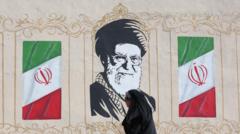
For the first time, Iran has demonstrated its capability to inflict immediate economic repercussions on the global economy in response to any attack against it. This strategic move signals a significant escalation in regional tensions, highlighting Iran's willingness to leverage its position in the vital Strait of Hormuz. The implication is that any military action targeting Iran could trigger a swift and severe disruption to international trade and energy supplies. This posture suggests a calculated risk by Iran, aiming to deter potential adversaries by underscoring the interconnectedness of global markets and their vulnerability to regional instability. The warning is clear: an attack on Iran will not be a localized conflict but will have far-reaching economic consequences for all. This development underscores the critical role of the Strait of Hormuz as a chokepoint for global oil transport and the potential for geopolitical events in the region to significantly impact worldwide economic stability. Iran's assertion indicates a shift in its strategic calculus, moving towards a more assertive defense posture that directly links its security to global economic well-being.
Iran's assertion of its ability to disrupt the global economy via the Strait of Hormuz represents a strategic recalibration, shifting from a purely defensive stance to one that weaponizes economic interdependence. This gambit leverages the strait's critical role in global energy markets, creating a potent deterrent by threatening widespread financial instability. The underlying incentive structure suggests Iran perceives a direct attack as an existential threat, necessitating a response that imposes immediate, significant costs on potential aggressors and the broader international community. Looking ahead, this dynamic highlights the increasing vulnerability of global supply chains to geopolitical leverage, particularly in the context of energy security. Future conflicts may increasingly hinge on economic warfare, demanding sophisticated diplomatic and market-based strategies to mitigate such risks and foster stability.
AI-generated to prompt reflection — not editorial opinion, not advice, not a statement of fact. How this works.