Iran's Hypersonic Missiles Challenge US-Israel Defense Systems
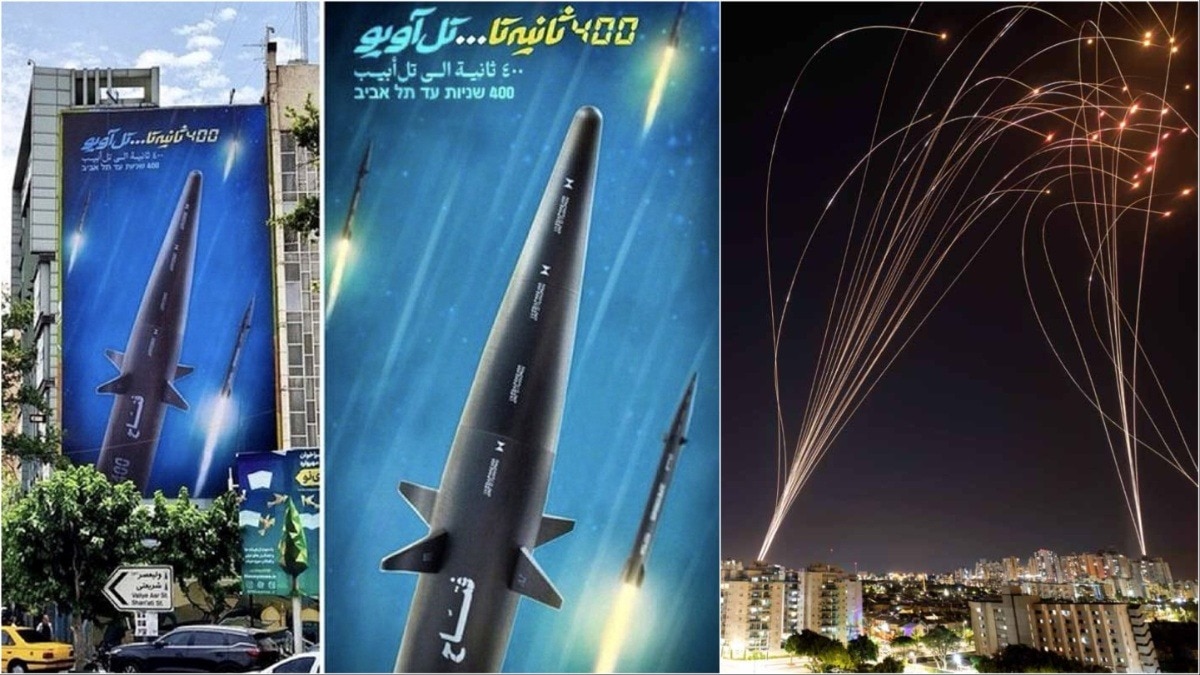
Iran has begun to evade US and Israeli defense systems using hypersonic missiles. The enhanced speed, maneuverability, and targeting capabilities of these missiles are reportedly made possible through assistance from Russian satellite technology and Chinese targeting intelligence. This development suggests a significant advancement in Iran's missile program, potentially altering regional military dynamics. The integration of foreign technological support appears crucial for Iran's ability to overcome sophisticated Western defense networks. This strategic move could have far-reaching implications for international security and arms control.
Iran's reported development and deployment of hypersonic missiles, potentially leveraging Russian and Chinese technological support, signifies a notable shift in asymmetric warfare capabilities. This advancement challenges the efficacy of existing missile defense architectures, which may not be adequately prepared for the speed and maneuverability characteristics of such weapons. The reliance on external technological partners highlights complex geopolitical interdependencies and raises questions about the proliferation of advanced military technologies. Future defense strategies will likely need to incorporate countermeasures that address the unique threat profile of hypersonic projectiles, potentially spurring a new arms race in advanced missile technology and defense systems.
AI-generated to prompt reflection — not editorial opinion, not advice, not a statement of fact. How this works.