Iran's IRGC Threatens Wider Waterway Blockades Amid US Port Sanctions
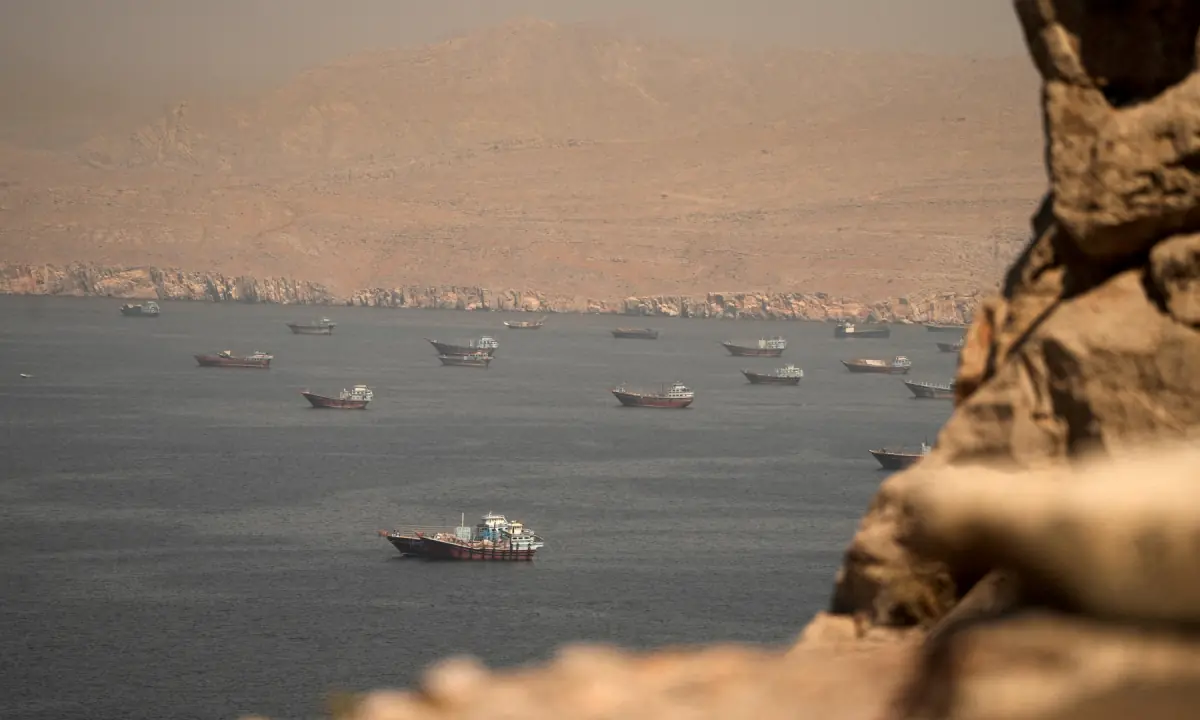
Iran's Islamic Revolutionary Guard Corps (IRGC) has escalated its threats, vowing to block "all other export corridors that benefit the US and its allies." This statement follows Iran's closure of the Strait of Hormuz and the US's reimposition of a naval blockade on Iranian ports. The IRGC claims the US blockade has halted oil and gas exports globally, impacting even "America's economic rivals." In a statement reported by IRNA, the IRGC declared that "Regional energy exports are either shared by all or denied to all," and vowed the Strait of Hormuz would remain closed indefinitely. The Strait of Hormuz, crucial for one-fifth of global oil and gas, is now a focal point of escalating US-Iran tensions, contributing to rising energy prices. Analysts suggest Iran may also leverage Houthi forces in Yemen to disrupt shipping through the Bab-el-Mandeb strait, potentially jeopardizing another vital energy artery. This threat emerges after the US conducted a seven-hour series of strikes targeting dozens of military sites near the Strait of Hormuz and Iranian coastal areas, reportedly in response to Iran's alleged attacks on seven commercial ships. Iranian state media reported explosions in multiple locations, including near Bandar Abbas and Qeshm Island, and a wheat storage silo in Hoveyzeh. In retaliation, Iran claimed to have launched drone attacks on a Jordanian military base hosting US warplanes and targeted US facilities in Bahrain and Kuwait, including a logistics facility in Mina Abdullah. The IRGC stated these actions were in response to the latest US strikes. Hostilities have intensified since June, with renewed US attacks reportedly killing at least 28 people in Iran. Former President Trump has also warned of wider strikes on Iranian infrastructure if diplomatic negotiations do not resume.
The IRGC's threat to block additional waterways represents a strategic escalation, leveraging control over critical global energy chokepoints to exert geopolitical pressure. This action, framed as a response to US sanctions and military actions, highlights the interconnectedness of global energy markets with international security dynamics. The potential disruption of the Bab-el-Mandeb strait, in conjunction with the Strait of Hormuz, could significantly impact global trade and energy prices, underscoring the systemic risks inherent in regional conflicts. Future geopolitical stability will likely depend on de-escalation mechanisms and the development of alternative energy routes and supply chains that are less vulnerable to such strategic leverage, particularly in an era increasingly defined by resource competition and technological interdependence.
AI-generated to prompt reflection — not editorial opinion, not advice, not a statement of fact. How this works.