Iran's Limited War Strategy: Calculated Risk for Greater Influence?
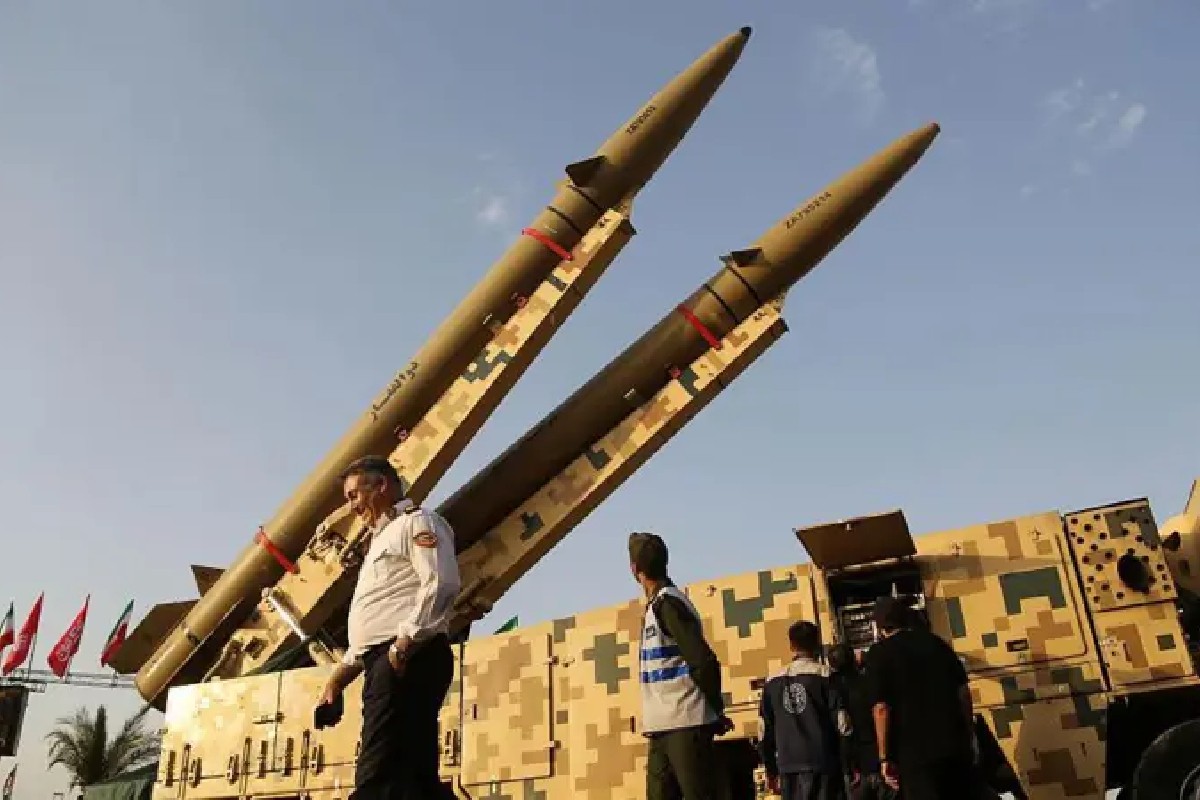
A recent Iranian missile attack on a US base in Jordan, which ended a direct combat pause, appears counterintuitive if Tehran's priority was a ceasefire. However, this action becomes more understandable if Iranian leaders perceive strategic advantages in a controlled confrontation. This suggests Iran may believe a limited war, despite its risks, better serves its interests than a prolonged, uneasy peace. Neither the US nor Iran currently seems prepared for total war. Washington is hesitant to engage in a larger regional conflict that could destabilize energy infrastructure, draw in more nations, spike oil prices, and strain its military resources. Iran also likely seeks to avoid full-scale war due to its vulnerable air defenses, industrial infrastructure, and economy, which are already weakened by sanctions and would face immense rebuilding costs.
The analysis suggests that Iran's strategy may prioritize maintaining pressure over outright military victory, viewing a prolonged ceasefire under current conditions as potentially weakening. A limited conflict, conversely, could disrupt global shipping and energy markets, compelling international attention and potentially influencing diplomatic outcomes. This approach might aim to reshape norms around maritime traffic, asserting Iranian influence over the Strait of Hormuz rather than simply returning to the pre-war status quo. Domestically, external conflict can also serve to suppress internal dissent and rally support under the guise of national defense, offering short-term political relief from economic hardships. However, this strategy carries significant risks, including the potential for uncontrolled escalation, increased international pressure for a harsher response, and the possibility of wider regional involvement, as seen with Saudi Arabia's actions. The core challenge lies in Iran's ability to calibrate its actions to exert influence without triggering a response that fundamentally alters the strategic calculus of its adversaries.
AI-generated to prompt reflection — not editorial opinion, not advice, not a statement of fact. How this works.