Iran's New Leadership: A Departure from the Old Regime?
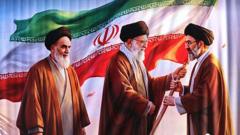
The funeral of Ayatollah Ali Khamenei serves as a reminder of the changes occurring in Iran. The country's new leadership appears to wield significant power, prompting questions about their ultimate objectives. This transition marks a potentially distinct era for Iran, moving away from established norms.
The succession process has highlighted the evolving political landscape within the Islamic Republic. While the new leaders may present a unified front, their long-term vision and policy direction remain a subject of international observation. The implications of this leadership shift are likely to be felt both domestically and on the global stage, as Iran navigates its future path.
The transition in Iranian leadership presents a complex geopolitical juncture. The apparent consolidation of power by the new leadership necessitates a careful analysis of their strategic intentions, particularly concerning regional stability and international relations. Understanding the underlying incentive structures driving their policy decisions will be crucial for predicting Iran's future trajectory. The global community must engage with this evolving dynamic by focusing on diplomatic channels and fostering dialogue to mitigate potential escalations and promote a more predictable international environment over the next decade.
AI-generated to prompt reflection — not editorial opinion, not advice, not a statement of fact. How this works.