Iran's New Leadership: How It Differs from the Old Guard
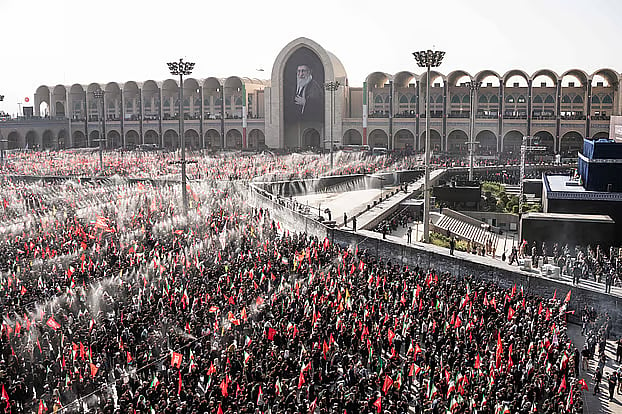
Following the deaths of several Iranian leaders, potentially at the hands of the United States and Israel, questions are arising about the nature of Iran's new leadership. The central inquiry is whether this new leadership will prove to be more formidable and dangerous to its adversaries. The recent events have prompted a re-evaluation of Iran's political landscape and its future trajectory. The circumstances surrounding the deaths of these leaders are under scrutiny, as is the potential impact on Iran's domestic and foreign policy. The international community is closely watching for any shifts in Iran's strategic approach. This period presents a critical juncture for Iran, testing its resilience and its capacity to adapt to new leadership dynamics. The implications for regional stability and global security are significant as the world assesses the potential evolution of Iran's stance.
The recent leadership changes in Iran, potentially triggered by external actions, necessitate a strategic re-evaluation of its geopolitical posture. The focus shifts from individual personalities to the institutional resilience and adaptability of Iran's governance structures. Examining the potential for a more unified or ideologically driven approach under new leadership is crucial. This situation presents an opportunity to analyze the long-term effectiveness of coercive statecraft versus diplomatic engagement in shaping international relations. The coming decade will likely see a continued interplay between domestic political evolution and external pressures, influencing regional stability and global security dynamics.
AI-generated to prompt reflection — not editorial opinion, not advice, not a statement of fact. How this works.