Iran's New Leadership: What to Expect After Ali Khamenei's Passing
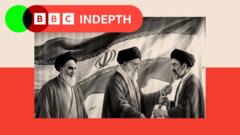
The recent passing of Ali Khamenei serves as a stark reminder of the ongoing shifts within Iran. As the nation prepares for new leadership, questions arise about the direction the country will take. Khamenei, who had been the Supreme Leader since 1989, was a pivotal figure in shaping Iran's political and religious landscape. His death marks the end of an era and opens the door for a potential reevaluation of domestic and foreign policies.
The succession process in Iran is complex, involving the Assembly of Experts, a body responsible for appointing and overseeing the Supreme Leader. The new leader will inherit a nation facing significant economic challenges, international sanctions, and regional tensions. The populace is also looking towards the future, with varying expectations regarding social freedoms and economic reforms. The choices made by the new leadership will undoubtedly have profound implications for Iran's internal stability and its role on the global stage.
The transition of power in Iran following Ali Khamenei's tenure presents a critical juncture. The successor will navigate complex internal dynamics, including economic pressures and societal expectations for reform, alongside external geopolitical challenges. The selection process itself, managed by the Assembly of Experts, will reveal insights into the prevailing power structures and the potential ideological direction of the new leadership. Future policy decisions will likely be shaped by the need to balance revolutionary principles with the pragmatic demands of governance in a rapidly evolving global environment, particularly concerning technological advancement and international relations.
AI-generated to prompt reflection — not editorial opinion, not advice, not a statement of fact. How this works.