Iran's New Supreme Leader Ditches Cautious Stance on US
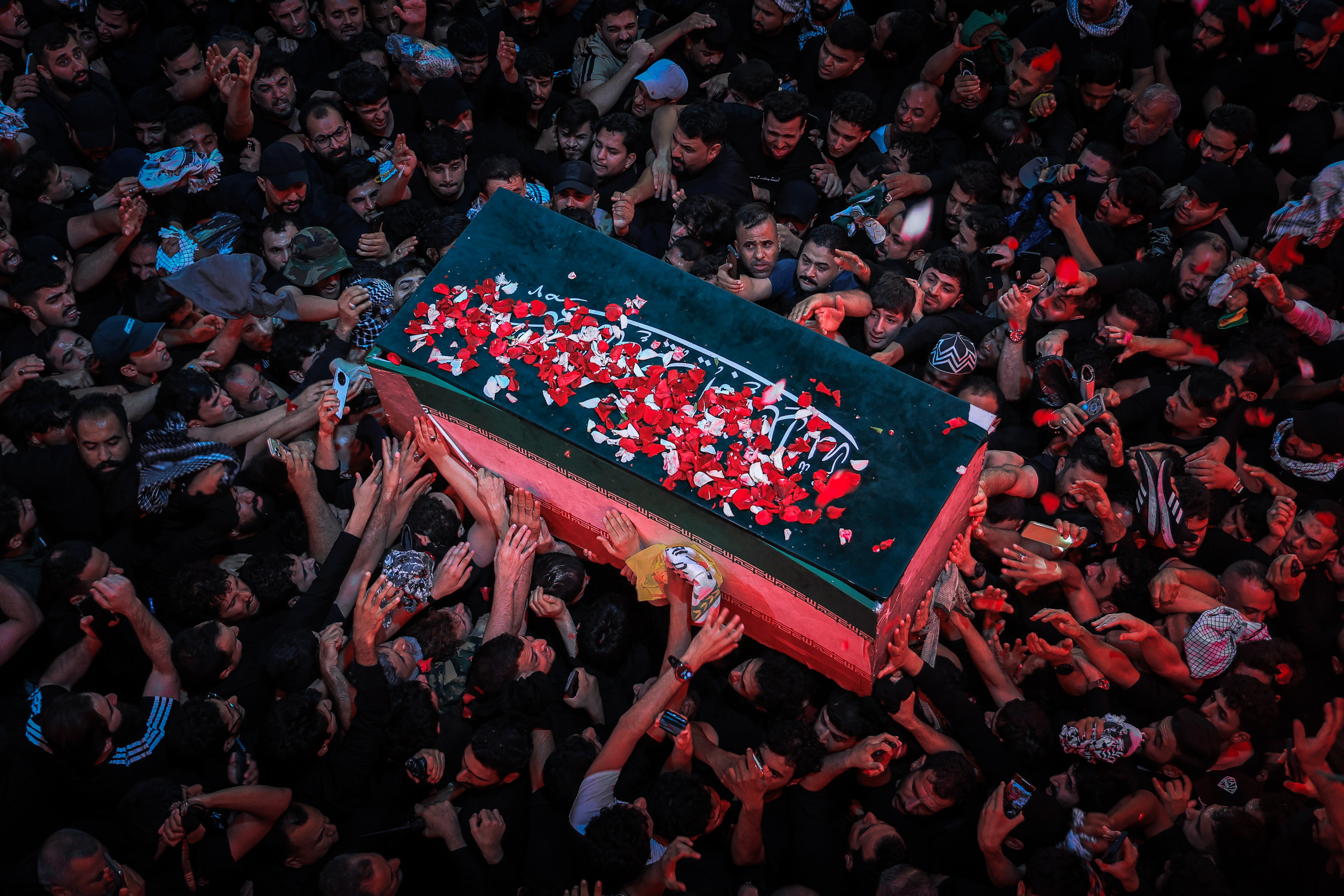
Following the death of Ayatollah Ali Khamenei, his successor, Ayatollah Mojtaba Khamenei, has adopted a more aggressive stance towards the United States. This shift marks a departure from his father's more reserved approach to perceived American provocations. The new leadership has already initiated actions, including attacks on military bases. Furthermore, tensions have escalated in the Strait of Hormuz, indicating a more confrontational foreign policy. This analysis, reported by The Times, suggests a significant change in Iran's strategic posture. The implications of this intensified conflict and the new leadership's assertive actions are likely to reshape regional dynamics and international relations concerning Iran.
The succession in Iran signals a potential recalibration of its foreign policy, moving from a strategy of measured responses to one of increased assertiveness against perceived adversaries like the United States. This shift may reflect internal political dynamics or a strategic re-evaluation of deterrence and regional influence. The intensification of conflict in sensitive areas like the Strait of Hormuz, coupled with direct military actions, presents a complex challenge for global trade and security. Future policy decisions will likely be shaped by the interplay of domestic political considerations, the leadership's perception of external threats, and the broader geopolitical landscape, potentially leading to a more volatile regional environment over the next decade.
AI-generated to prompt reflection — not editorial opinion, not advice, not a statement of fact. How this works.