Iran's New Supreme Leader Vows Revenge for Father's Death
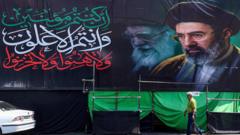
Following the burial of Ayatollah Ali Khamenei, Iran's new Supreme Leader Mojtaba Khamenei has issued a written message vowing to avenge his father's death. The statement indicates a strong intent to retaliate for the events leading to the former Supreme Leader's demise. This declaration comes amidst heightened regional tensions, particularly following threats made by former U.S. President Donald Trump. The new leadership in Iran appears poised to adopt a firm stance on perceived aggressions. The specific nature of the 'revenge' or the timeline for its execution has not been detailed. However, the message signals a continuation of a hardline approach to foreign policy and national security. The international community will be closely monitoring Iran's actions in the coming weeks and months.
The succession of Mojtaba Khamenei to the position of Supreme Leader in Iran, coupled with his immediate vow of retribution for his father's death, signals a potential escalation in regional geopolitical dynamics. This rhetoric, particularly when framed as a response to external threats, serves to consolidate domestic support and project an image of strength. The emphasis on 'blood revenge' is a culturally resonant theme that can mobilize public sentiment, but it also risks triggering further instability. The new leadership faces the challenge of balancing internal pressures for retribution with the external realities of international relations and potential consequences. Examining the incentive structures driving this pronouncement—whether rooted in genuine grievance, strategic posturing, or a combination thereof—is crucial for understanding the trajectory of Iran's foreign policy in the coming decade, particularly in the context of evolving global power balances and technological advancements.
AI-generated to prompt reflection — not editorial opinion, not advice, not a statement of fact. How this works.