Iran's New Targets Emerge After US-Israel Conflict
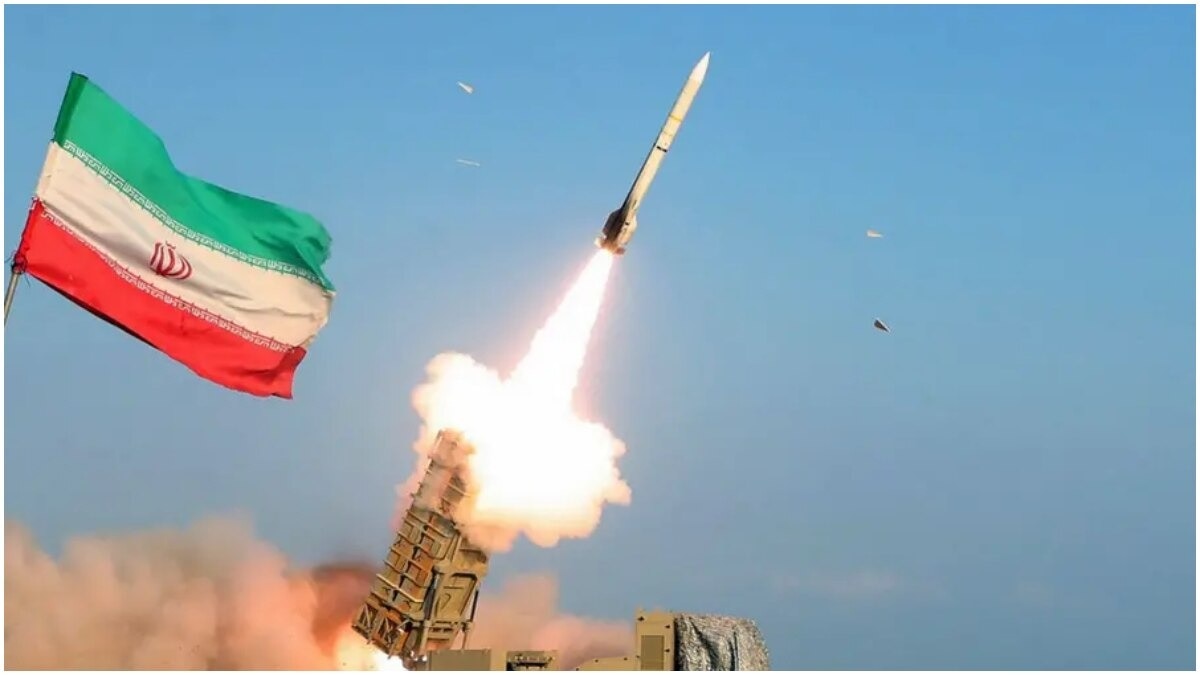
Following a three-month ceasefire in the conflict between Iran and the United States-Israel, a second phase of military actions appears to be underway. The United States initiated attacks against Iran, citing assaults on oil and gas tankers as justification. Iran retaliated, but its targets have shifted in this latest exchange.
While the specific details of Iran's new targets are not elaborated upon in the provided text, the implication is that countries beyond the immediate belligerents are now within Iran's strategic focus. This development suggests a potential escalation or broadening of regional tensions, moving beyond the direct confrontation between Iran and the US-Israel coalition.
The shift in Iran's targeting strategy, following a period of direct confrontation with the US and Israel, indicates a potential recalibration of its regional influence and deterrence posture. This move could be driven by a desire to exert pressure on perceived adversaries through indirect means or to secure strategic advantages by engaging new actors. Understanding the underlying geopolitical incentives and the potential for cascading regional instability will be crucial in navigating this evolving landscape over the next decade. The interconnectedness of global energy markets and regional security frameworks means that such shifts can have far-reaching economic and political consequences.
AI-generated to prompt reflection — not editorial opinion, not advice, not a statement of fact. How this works.