Iran's 'No Fees, No Entry' Policy on Hormuz? Will Trump Agree?
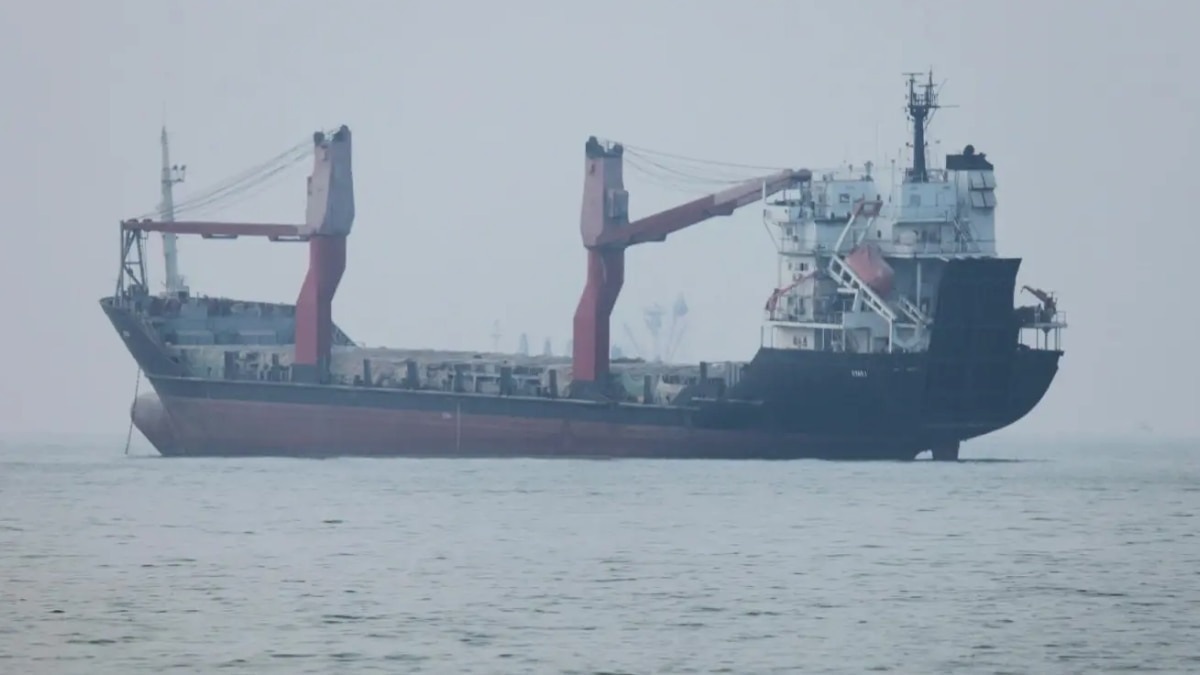
Two days of talks were held between the United States and Iran in Doha, Qatar. The discussions focused on key issues including the movement of ships through the Strait of Hormuz, Iranian funds, and de-escalation of tensions. Despite the engagement, no significant agreement was reached between the two nations. The negotiations aimed to address the complex geopolitical situation surrounding the vital shipping lane and Iran's financial assets. However, the outcome indicates that substantial progress on these fronts remains elusive. The context of these talks is crucial, given the strategic importance of the Strait of Hormuz for global trade and the ongoing financial pressures faced by Iran. The parties involved explored potential pathways to reduce regional instability and foster a more predictable environment for maritime traffic. The absence of a breakthrough suggests that underlying disagreements persist, requiring further diplomatic efforts. The outcome leaves the future of the Strait of Hormuz's accessibility and the resolution of financial disputes uncertain.
The reported talks between the US and Iran in Doha highlight the persistent diplomatic challenges surrounding the Strait of Hormuz and Iranian financial assets. The lack of a major agreement suggests that the incentive structures for both parties remain misaligned, potentially due to differing strategic priorities and domestic political considerations. Future negotiations will likely hinge on finding common ground regarding maritime security and financial sanctions, a complex balancing act. The outcome underscores the ongoing tension between economic imperatives and geopolitical maneuvering in a critical global chokepoint, demanding careful consideration of long-term stability versus short-term gains.
AI-generated to prompt reflection — not editorial opinion, not advice, not a statement of fact. How this works.