Iran's Nuclear Ambitions: A New Leader's Stance Amid Strait of Hormuz Leverage
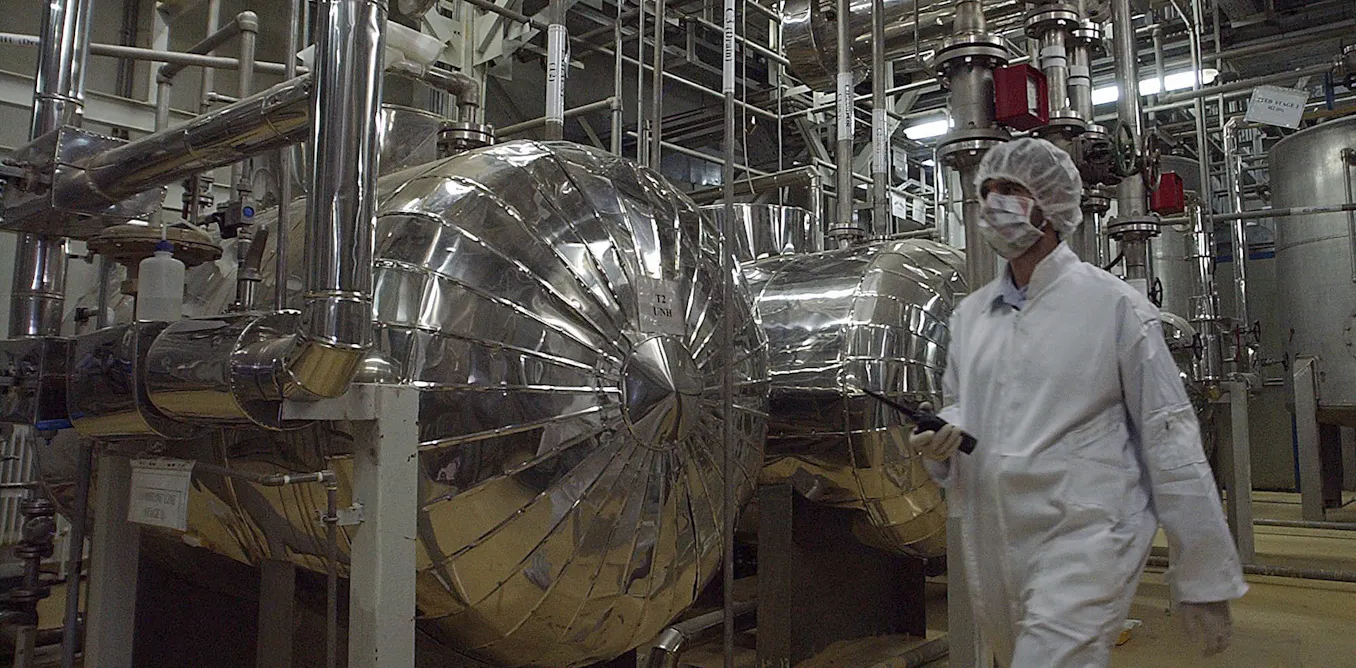
Reports suggest Iran's current supreme leader exhibits a greater interest in developing nuclear weapons compared to his predecessor. This shift in focus comes at a time when Iran has reportedly gained new leverage over the Strait of Hormuz. The Strait of Hormuz is a critical chokepoint for global oil shipments, and any disruption or control exerted by Iran could have significant international implications. The question arises whether this enhanced strategic position fuels a desire or a perceived necessity for Iran to acquire nuclear capabilities. This development raises serious concerns regarding future international negotiations on Iran's nuclear program. The potential pursuit of nuclear weapons by Iran, especially with its increased influence over a vital maritime route, could dramatically alter the geopolitical landscape of the Middle East and beyond. It also poses a challenge to existing non-proliferation efforts and could trigger a regional arms race. The implications for global energy security and international diplomacy are substantial.
The reported shift in Iran's supreme leader's stance on nuclear weapons development, coupled with its enhanced leverage over the Strait of Hormuz, presents a complex geopolitical challenge. This situation warrants an examination of the underlying strategic incentives driving Iran's potential nuclear ambitions. Factors such as regional security dynamics, perceived threats, and the desire for greater international influence likely play a role. The international community faces the dual task of addressing proliferation risks while navigating the economic and security implications of control over vital shipping lanes. Future diplomatic efforts will need to consider these intertwined issues, exploring pathways that balance non-proliferation goals with regional stability and energy security, potentially through multilateral dialogue and verifiable security assurances.
AI-generated to prompt reflection — not editorial opinion, not advice, not a statement of fact. How this works.
