Iran's Oil Reserves Remain High Despite Sanctions Relief
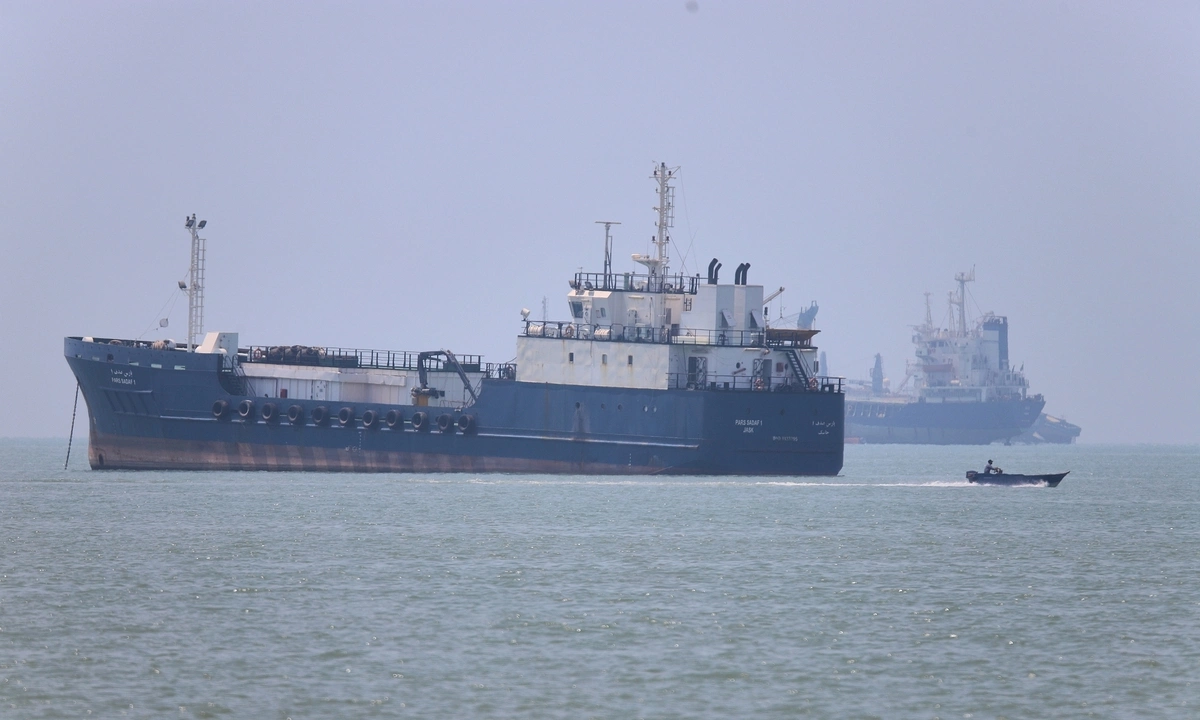
Despite the lifting of sanctions, Iran faces significant challenges in rapidly depleting its oil reserves. Traditional major customers, such as China, are reportedly shifting their procurement strategies. Concurrently, other oil-producing nations are increasing their output, intensifying global competition. This combination of factors is hindering Iran's ability to quickly reduce its substantial oil stockpiles. The situation highlights the complex interplay of geopolitical factors, international market dynamics, and shifting trade relationships that influence a nation's energy exports. Iran's efforts to re-enter the global oil market are being met with considerable headwinds, suggesting that the economic benefits of sanctions relief may not be immediately realized.
The lifting of sanctions on Iran presents an opportunity for its oil sector, yet market realities suggest a slow recovery. China's strategic adjustments in its energy sourcing and increased production from other global players create a competitive environment. This dynamic implies that Iran's ability to offload its stored oil will be constrained by supply-demand imbalances and existing trade relationships. Future market access for Iran will likely depend on its capacity to offer competitive pricing and secure new, stable partnerships, navigating a landscape increasingly shaped by energy transition trends and geopolitical considerations.
AI-generated to prompt reflection — not editorial opinion, not advice, not a statement of fact. How this works.