Iran's Parliament Resumes After Longest Post-Revolution Suspension
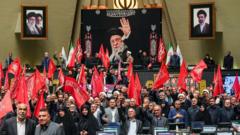
The Islamic Consultative Assembly (Majlis) held its first public session on July 12th, following its longest suspension since the 1979 revolution. The parliamentary sessions had been halted for nearly five months, since February 28th, after alleged attacks by Israel and the United States. Prior to the resumption, it had been suggested that parliamentary work would recommence after the funeral of Ali Khamenei. The suspension marks a significant interruption in the legislative body's activity.
The extended suspension of Iran's parliament, lasting nearly five months, raises questions about legislative continuity and governance transparency. Such prolonged adjournments, particularly following external events, could indicate either a strategic pause for internal consolidation or a disruption stemming from geopolitical pressures. The stated reason for the resumption, linked to a succession event, suggests a potential interplay between political stability and leadership transitions. Understanding the legal framework and precedents for such parliamentary suspensions is crucial for assessing the robustness of Iran's institutional processes and their susceptibility to external influences or internal political dynamics.
AI-generated to prompt reflection — not editorial opinion, not advice, not a statement of fact. How this works.