Iran's 'Pickaxe Mountain' Nuclear Site: What We Know
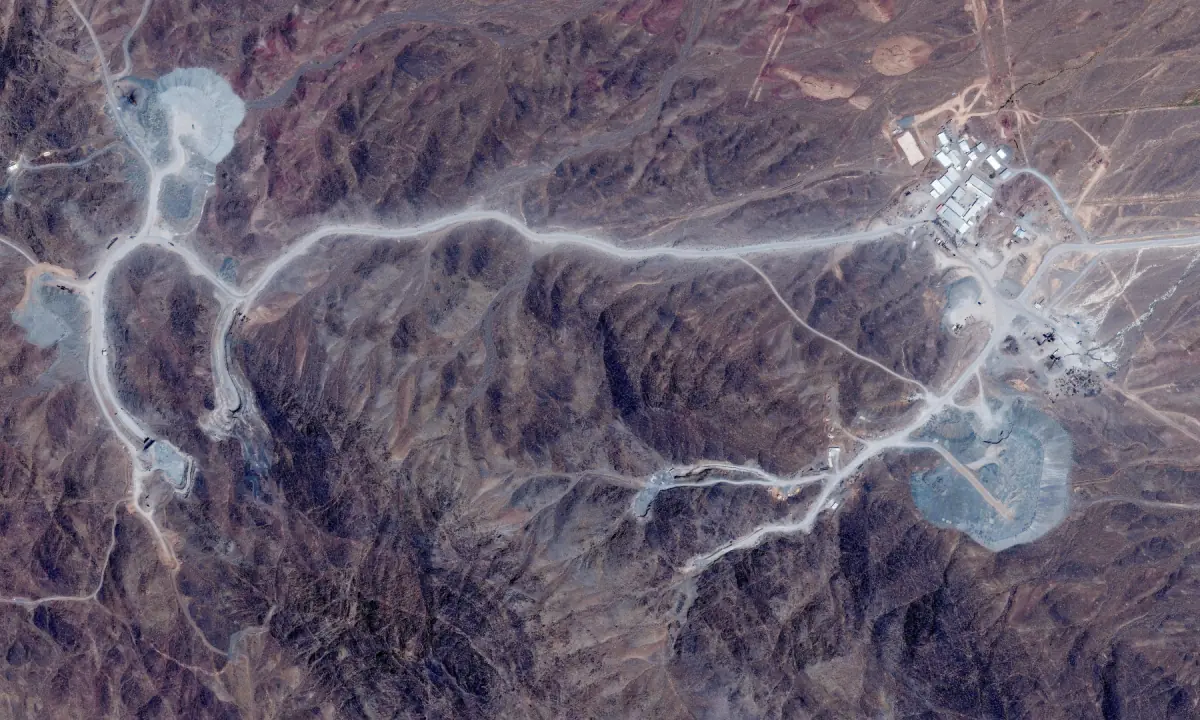
United States President Donald Trump has threatened to attack 'Pickaxe Mountain,' a fortified underground facility linked to Iran's nuclear program. Located 220 kilometers south of Tehran and 2 kilometers from the Natanz nuclear complex, the site is reportedly under construction. The Natanz facility, which housed two uranium enrichment plants, has been previously targeted. According to the Institute for Science and International Security (ISIS), Pickaxe Mountain was not attacked in those instances. Construction began in 2020 following a reported sabotage incident at Natanz that Iran claimed significantly damaged its advanced centrifuge development. In September 2020, Iran's then-nuclear chief stated plans to build a more advanced hall within the mountain for centrifuge production. The UN nuclear watchdog's chief noted Iran's stated intention for nuclear activities at Pickaxe Mountain, part of a strategy to place sensitive facilities underground. ISIS analysis of satellite imagery indicates the facility is buried at least 100 meters deep, with hardened tunnel entrances designed to resist penetrating munitions. While not yet operational according to ISIS, construction continues, and its future use is unclear. Experts suggest the site's depth makes it difficult to target with conventional bunker-buster bombs, potentially favoring ground assaults or specialized deep-earth weapons.
The designation of 'Pickaxe Mountain' as a potential target highlights the ongoing strategic tension surrounding Iran's nuclear program. The facility's underground and hardened construction suggests an intent to shield sensitive nuclear activities from external observation and potential attack, reflecting a broader global trend of seeking resilience in critical infrastructure. The difficulty in targeting such a deeply buried site with existing munitions raises questions about the efficacy of conventional military options and may necessitate a re-evaluation of deterrence strategies. The situation underscores the complex interplay between national security imperatives, international non-proliferation regimes, and the technological arms race in both nuclear development and defensive capabilities.
AI-generated to prompt reflection — not editorial opinion, not advice, not a statement of fact. How this works.