Iran's Post-Funeral Strategy: Leveraging Hormuz for Regional Dominance
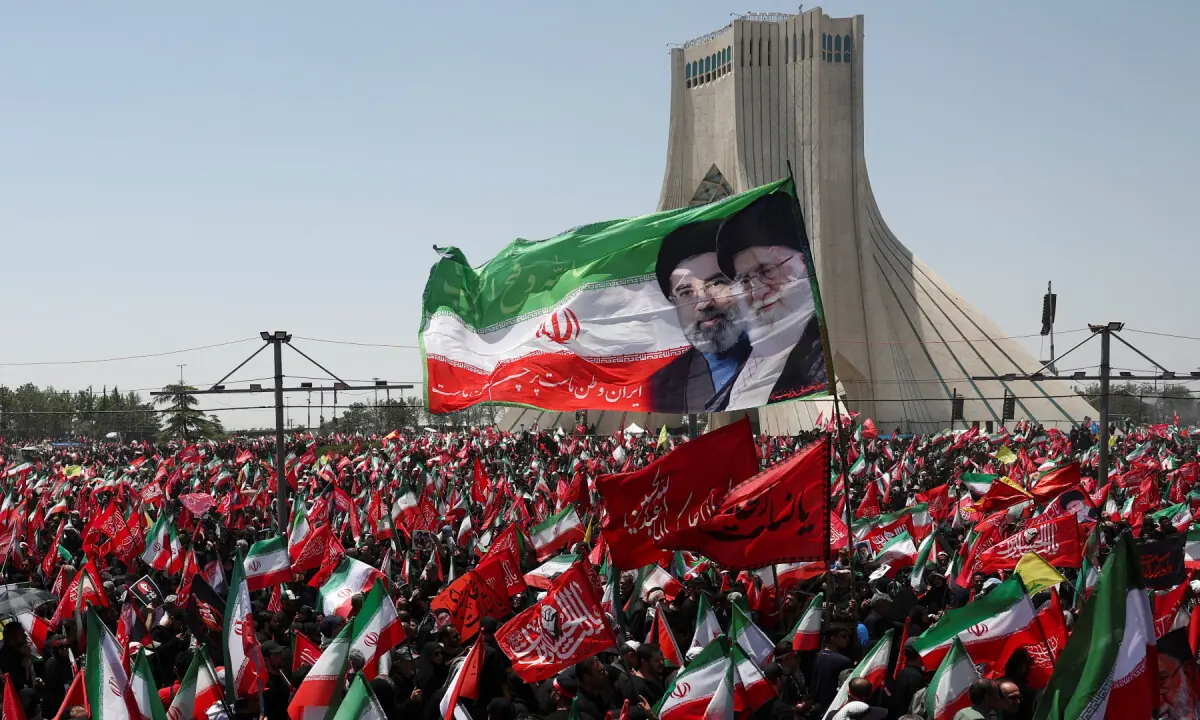
The funeral of Iran's Supreme Leader Ayatollah Ali Khamenei, held on July 6, 2026, in Tehran, was framed as a demonstration of national defiance against the United States and Israel. Following the conflict initiated by US and Israeli strikes on February 28, Iran presented a unified front, signaling its intent to shape the future regional order. Analysts suggest this funeral marked a strategic shift, aiming to convert wartime endurance into significant leverage, particularly concerning the Strait of Hormuz.
Iran's strategy now prioritizes its control over the vital oil chokepoint, viewing it as a more powerful asset than its nuclear program. The nation seeks recognition of its dominant position around the strait, framing it as a source of political legitimacy rather than just economic gain. Parliament Speaker Mohammad Bagher Ghalibaf emphasized the Strait of Hormuz as Iran's "greatest power tool," stating that the country would not relinquish its rights. This approach involves deliberately slowing nuclear negotiations to consolidate gains related to Hormuz before addressing the nuclear question.
Former US diplomat Alan Eyre noted that Iran is content to delay talks to institutionalize its control over Hormuz through transit arrangements or service charges. Regional officials and diplomats believe Iran is exploiting the perception that US President Donald Trump, facing domestic political pressures and midterm elections, is more eager for a deal than Iran is to concede. Aaron David Miller, a former US Middle East negotiator, stated that the US military campaign failed to alter Iran's leverage, and Tehran will likely not seriously engage on its nuclear program until its new status quo regarding Hormuz is accepted and frozen assets are unfrozen.
The narrative surrounding Iran's post-funeral strategy highlights a complex interplay of geopolitical leverage and national identity. The framing of the Strait of Hormuz as a "divine blessing" and a "diamond" underscores a strategic prioritization of symbolic sovereignty and regional influence over immediate economic benefits or concessions on its nuclear program. This approach suggests a long-term vision where control over critical global trade routes serves as a foundational element of Iran's international standing and negotiating power in the coming decade. The analysis implies that external actors, particularly the United States, may face a recalibration of their regional objectives, needing to acknowledge Iran's entrenched position to achieve diplomatic progress. The situation presents a systemic challenge: balancing the demands of global energy security with the assertion of national control over vital waterways, a dynamic likely to intensify as technological advancements reshape maritime influence and economic dependencies.
AI-generated to prompt reflection — not editorial opinion, not advice, not a statement of fact. How this works.