Iran's Post-Khamenei Narrative: Revenge Against Trump Becomes Central
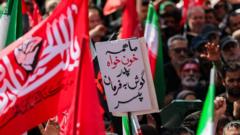
The week-long mourning and funeral ceremony for Ali Khamenei, the former Supreme Leader of the Islamic Republic, extended beyond a typical solemn observance. It was accompanied by coordinated calls for revenge against Donald Trump, the former President of the United States. This suggests a strategic pivot in the regime's narrative, positioning retribution against Trump as a central theme for the post-Khamenei era. The organized nature of these calls indicates a deliberate effort to shape public sentiment and international perception around this specific grievance. The focus on vengeance against a former US president implies a desire to maintain a confrontational stance and rally domestic support through a shared external enemy. This narrative framing could serve to unify factions within the Iranian political establishment and project an image of strength and resolve on the international stage.
The coordinated calls for revenge against Donald Trump following Ali Khamenei's passing indicate a strategic imperative within the Islamic Republic's leadership to maintain a consistent external threat narrative. This approach, focusing on a specific grievance against a former US president, may be intended to consolidate domestic power and rally support by projecting an image of strength and resolve. Such a strategy, however, risks entrenching a confrontational foreign policy, potentially limiting future diplomatic flexibility and exacerbating regional tensions. In the coming decade, as global dynamics shift and technological advancements accelerate, the sustainability of a foreign policy heavily reliant on historical grievances and external adversaries will be tested. The regime's ability to adapt and evolve beyond this established narrative will be crucial for its long-term stability and international standing.
AI-generated to prompt reflection — not editorial opinion, not advice, not a statement of fact. How this works.