Iran's public mourning for Khamenei: A political spectacle designed to send a message
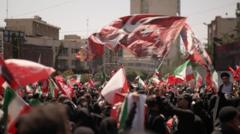
Iran declared three days of public mourning following the death of Supreme Leader Ayatollah Ali Khamenei. This period was orchestrated as a significant political spectacle, intended by Iran's leadership to be observed by the global community. The events in Tehran were designed to convey a specific message, reflecting the regime's strategic communication efforts. The BBC's international correspondent, Lyse Doucet, observed these proceedings, highlighting their performative nature. The mourning period served as a platform for the Iranian government to project an image of national unity and resolve. It was also an opportunity to assert the country's political standing on the international stage. The carefully managed displays aimed to shape perceptions both domestically and abroad. The leadership sought to leverage the occasion to reinforce their authority and ideological messaging. This event underscores the intersection of national mourning rituals and political messaging in Iran.
The state-managed mourning period for Ayatollah Ali Khamenei appears to be a calculated political maneuver aimed at consolidating domestic support and projecting an image of strength and continuity to the international community. Such displays often serve to reinforce the ruling ideology and legitimize the existing power structures, particularly during times of transition. The emphasis on a 'political spectacle' suggests a strategic effort to control narratives and shape perceptions, potentially to counter internal dissent or external pressures. Future leadership transitions in Iran will likely continue to involve similar carefully curated public displays to manage public opinion and maintain political stability.
AI-generated to prompt reflection — not editorial opinion, not advice, not a statement of fact. How this works.