Iran's Regime Holds Mourning Ceremony for Ayatollah Khamenei
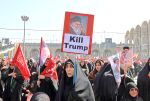
Iran's ruling clerics have organized a solemn prayer service in Tehran to honor the recently deceased Supreme Leader, Ayatollah Ali Khamenei. The ceremony featured the participation of the nation's most senior religious figures, underscoring the regime's efforts to legitimize its leadership transition. Notably absent from the proceedings was Mojtaba Khamenei, the son of the late leader and widely considered his likely successor. His absence has sparked speculation about the internal dynamics and power struggles within the highest echelons of the Iranian government following Khamenei's death. The regime is attempting to project an image of unity and continuity during this critical period.
The organization of this mourning ceremony by Iran's clerical establishment signifies a strategic effort to consolidate power and manage public perception following the demise of Supreme Leader Khamenei. The conspicuous absence of Mojtaba Khamenei, a potential successor, introduces a layer of complexity to the anticipated leadership transition. This event highlights the inherent tensions between hereditary succession claims and the institutional structures of the Islamic Republic. Future political stability will likely depend on how effectively the regime navigates these internal power dynamics and presents a unified front to both domestic and international audiences, particularly in the context of evolving geopolitical pressures and the enduring influence of religious authority.
AI-generated to prompt reflection — not editorial opinion, not advice, not a statement of fact. How this works.