Iran's Return to Conflict: A Calculated Risk?
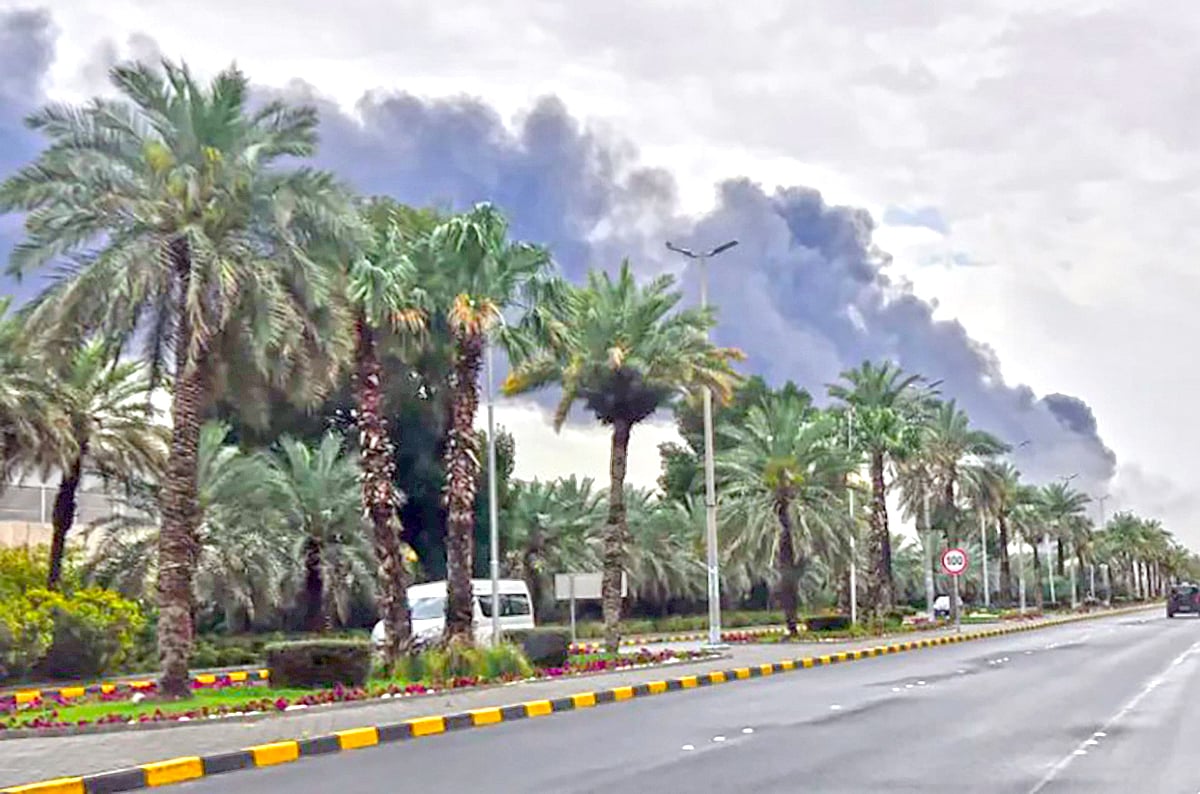
Many observers view Iran's decision to re-engage in conflict as a calculated risk. The prevailing sentiment is that direct confrontation may be less perilous than a gradual erosion of power. This strategic calculation suggests a belief that a decisive engagement, despite its inherent dangers, could be more advantageous than a prolonged period of attrition. The move implies a potential shift in Iran's foreign policy calculus, prioritizing a more assertive stance. It remains to be seen how this strategy will unfold and what its long-term implications will be for regional stability. The decision appears to be rooted in a complex assessment of geopolitical pressures and perceived threats.
Iran's decision to engage in direct conflict, rather than enduring a slow depletion of resources, can be interpreted through the lens of strategic risk management. This approach suggests a prioritization of decisive action over prolonged attrition, potentially aiming to alter regional power dynamics or deter perceived threats. Such a strategy carries significant potential for escalation and unintended consequences, impacting regional stability and international relations. The underlying incentive structures driving this choice likely involve national security perceptions, geopolitical positioning, and domestic political considerations. Evaluating this move requires an understanding of the trade-offs between immediate confrontation and gradual decline, considering the long-term implications for Iran and the broader geopolitical landscape in the coming decade.
AI-generated to prompt reflection — not editorial opinion, not advice, not a statement of fact. How this works.